

Equine Welfare: Life After Racing, Retirement, Rehoming and the Aftercare Challenge
 |
|


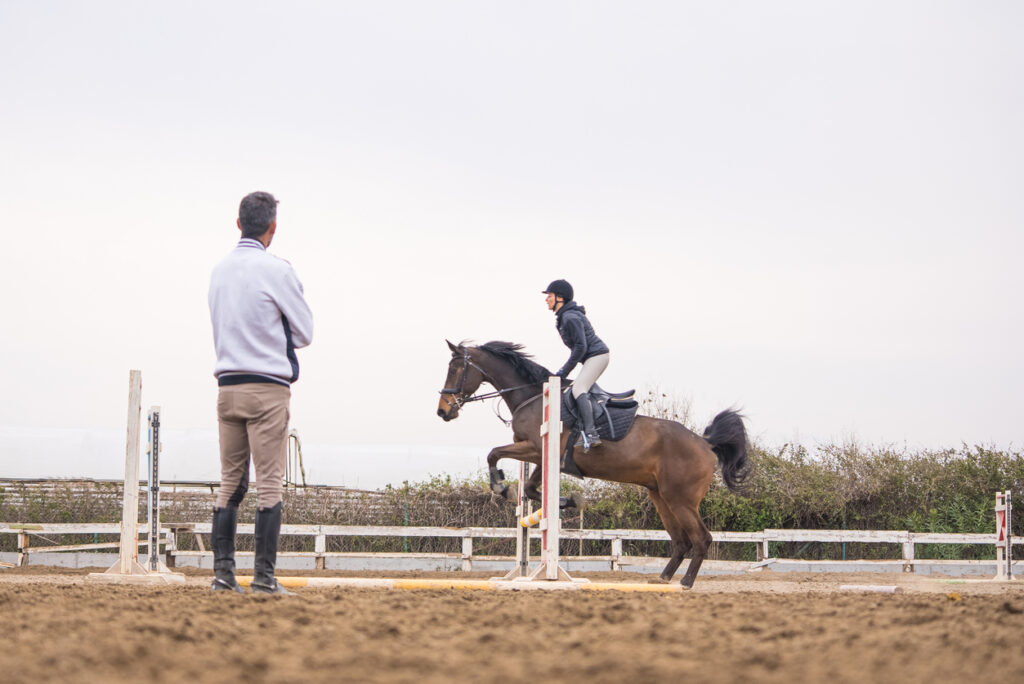
When a racehorse’s competitive career ends, a welfare responsibility begins. In Britain, an estimated 4,000 – 6,000 thoroughbreds leave racing each year, through retirement, injury or commercial decisions about horses that are not performing at the required level. What happens to those horses and whether the industry that bred, raced and profited from them takes adequate responsibility for their post-racing welfare, is a question that goes to the heart of racing’s social licence.
The Scale of the Challenge
The thoroughbred racehorse is a specialised athlete. Bred over generations for speed and trainability, it is not always naturally suited to the roles of hacking, jumping, equine therapy, companion animal, that form the typical career paths for a horse leaving racing. A horse that has been trained to gallop, that is accustomed to the stimulation of racecourse environments and the daily rhythm of a professional training yard, requires careful transitional management before it can adapt to a different life.
The challenge is compounded by the distribution of horses across the supply chain. Some horses leave racing owned by major commercial operations with dedicated welfare programmes. Others leave via private trainers’ yards, sold at public auction or passed between owners in transactions that may not include consideration of long-term welfare outcomes. Horses at the bottom of the commercial spectrum, those whose racing value is minimal, but whose physical and behavioural characteristics make rehoming difficult, face the greatest welfare risk.
Retraining of Racehorses (RoR)
The principal industry body responsible for thoroughbred aftercare in Britain is Retraining of Racehorses (RoR), the BHA-approved charity established to improve welfare of racehorses after their racing careers end. RoR coordinates a network of approved centres, provides retraining support, runs competitions for ex-racehorses and funds welfare investigations into the fate of retired thoroughbreds.
RoR’s tracking of ex-racehorses begins with the Thoroughbred Identification Project, an effort to ensure that every horse registered with Weatherbys can be traced through its post-racing life. This is significant: without systematic tracking, it is impossible to know whether individual horses have entered appropriate care or have passed into circumstances that compromise their welfare. The Jockey Club and the BHA have supported data-sharing initiatives that allow horses to be traced more consistently after leaving training.
RoR organises a national show series for ex-racehorses, including the RoR Supreme Championship at Horse of the Year Show, events that profile the adaptability of thoroughbreds and support a market for horses with proven post-racing credentials.
The Racing Foundation’s Role
The Racing Foundation, the charitable trust that distributes funds from British racing’s commercial activities, has directed significant resources toward welfare projects. In recent years, this has included funding for:
– Research into the mental and physical health of the racing workforce (see separately)
– Welfare tracking for retired thoroughbreds
– Support for RoR’s retraining network
– Research into the specific welfare needs of mares and broodmares at the end of breeding careers (a category of horse whose welfare needs can be distinct from those of geldings and retired stallions)
The Foundation’s involvement gives aftercare a formal place within British racing’s commercial structure, acknowledging that the sport’s financial health and its horse welfare obligations are inseparable from a reputational standpoint.
High-Profile Retirements
High-profile cases, both positive and negative, shape public understanding of thoroughbred aftercare. Envoi Allen’s death at the 2026 Cheltenham Festival, for instance, was widely covered partly because his retirement had been announced before the race. Cheveley Park Stud, who owned him, had prepared for his post-racing life; his death during or immediately after competition prevented that transition. Cases where planned retirements are disrupted by racecourse deaths heighten public awareness of the risk inherent in the final stages of a racing career.
Conversely, horses like Desert Orchid, Red Rum and Best Mate, who lived out long retirements in public view, attending race meetings and maintaining a public profile, have contributed positively to racing’s image as a sport that values its horses beyond their competitive years.
What the Industry Can Do
Racing’s approach to aftercare has several structural levers:
Mandatory levy contributions to welfare: The British Horseracing Levy (collected from bookmakers) funds a range of racing activities including prize money and integrity. A portion is directed toward equine welfare, including aftercare. Whether this proportion is adequate relative to the scale of the challenge is a recurring debate.
Traceability: The extension of the Thoroughbred Identification Project and mandatory registration tracking for horses leaving licensed yards would improve the industry’s ability to identify welfare failures before they become public scandals.
International cooperation: Horses often move between jurisdictions at the end of their racing careers, particularly between Britain, Ireland and France. Welfare tracking that does not extend across borders has obvious gaps. The IFHA provides a framework for international cooperation on thoroughbred identification and welfare, but implementation is uneven.
Breeder responsibility: Breeding programmes produce thoroughbreds whose racing ability may be highly variable. Horses bred for racing that prove unsuitable for competition are a welfare challenge that begins at the breeding stage. Industry discussions about whether breeders should carry a greater welfare responsibility for horses they produce are ongoing.
The Public Expectation
Polling consistently shows that the British public supports horse racing as a sport but holds strong views on the industry’s welfare obligations. RSPCA surveys and YouGov polling on horse racing attitudes indicate that a significant proportion of racing’s audience, including occasional Cheltenham or Grand National viewers who form the casual majority, expect clear evidence of welfare commitment as a condition of their support.
The industry’s challenge is to demonstrate, through specific and measurable actions, that its welfare commitments are substantive rather than rhetorical. In the weeks following the 2026 Festival’s four deaths, that demonstration is the most urgent item on British racing’s public affairs agenda.


