

Sustainability: Racing’s Green Space, Biodiversity, Land Management and the Environmental Opportunity
 |
|


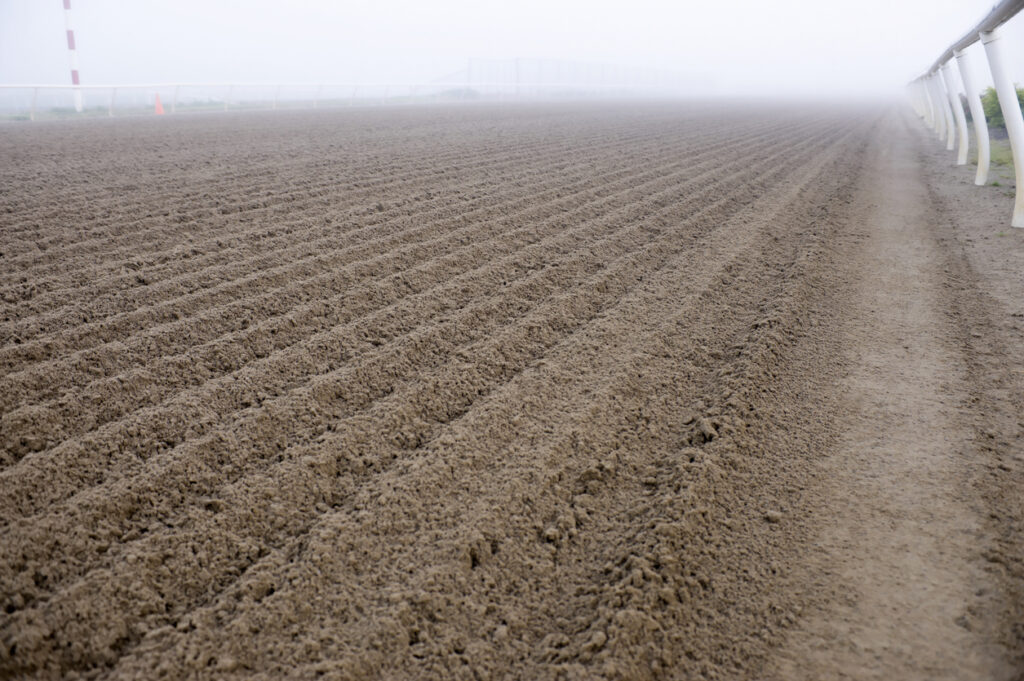
British horse racing is, among other things, a land business. The thousands of acres managed by training centres, breeding studs and racecourses represent one of the most extensive continuous holdings of maintained greenspace in British agriculture. This land, chalk downland in Newmarket, limestone escarpment in Lambourn, water meadows in the Midlands, has been managed for equestrian use for generations and, in some cases, for centuries. It hosts specialist habitats, supports farmland wildlife populations, and maintains soil structures that have been built over decades of careful management.
This land portfolio is simultaneously the industry’s most significant environmental asset and one of its most under-acknowledged sustainability stories.
What Racing’s Land Contains
Chalk downland (Newmarket and the Berkshire Downs): The training gallops of Newmarket and Lambourn traverse chalk downland, a grassland habitat that is among the most species-rich in Britain and among the rarest, having declined by approximately 80% since the 1940s through agricultural intensification. Chalk downland managed for horse training, requiring consistent, well-maintained but unimproved grassland without heavy fertiliser input, can provide habitat for rare plants (cowslips, pyramidal orchids, rock rose), invertebrates (downland butterflies including chalkhill blues and adonis blues) and farmland birds (skylarks, yellow wagtails).
The gallop managers of Newmarket and Lambourn have historically understood the relationship between good turf management and the natural diversity of their grassland, though this has rarely been framed in explicit biodiversity terms. The Racing Resilient strategy’s emphasis on working with existing land management expertise to “support increased biodiversity” offers an opportunity to formalise and extend what good practitioners already do.
Racecourse grassland: Racecourse turf, particularly at tracks without drainage-pipe infrastructure, can maintain high grassland diversity in areas away from the racing track itself. Churchyards and road verges managed for biodiversity rather than neatness provide an analogy: horse racing’s extensive field margins, unused corners and approach roads are potential habitat zones.
Stud paddocks: The pastures used for broodmares and foals in thoroughbred breeding are managed for horse welfare but can simultaneously support biodiversity. Diverse sward composition, including meadow grasses, herbs and wildflowers, provides better nutrition for horses than monoculture ryegrass, and supports pollinators and invertebrates that have few refuges in intensively farmed arable landscapes.
Carbon Sequestration Potential
Grasslands can sequester carbon in their soils, drawing CO2 from the atmosphere through photosynthesis and incorporating it into soil organic matter. This “soil carbon” is more stable than the carbon stored in above-ground vegetation; managed correctly, old grasslands accumulate soil organic matter over decades in ways that cultivated or recently re-seeded grasslands do not.
The carbon sequestration potential of British racing’s chalk downland and permanent pasture is genuinely significant. Research into soil organic carbon in chalk grassland has documented accumulation rates that, across the thousands of acres managed by the industry, would represent a material contribution to the sport’s net carbon balance.
Whether this potential is realised depends on management practice. Heavy fertiliser input, by stimulating vigorous grass growth that then decomposes rapidly, can actually destabilise soil carbon and reduce long-term accumulation. The Racing Resilient strategy’s commitment to “protecting nature and ecosystems” and working with existing land management expertise is the appropriate framework for accessing this carbon storage potential.
Racing’s Relationship with Farming
Many training yards and studs operate within broader farming enterprises. A training yard that grazes the surrounding fields as part of a mixed farming operation, or that has its hay and straw grown on neighbouring land, is embedded in a wider agricultural system. The sustainability of that wider system, the farming practices on land adjacent to training yards and studs, has implications for racing’s environmental footprint that the industry’s strategy must eventually engage with.
The Thoroughbred breeding industry, in particular, is deeply connected to the land through its feed supply chain. Oats, hay, straw and specialist feed ingredients all have environmental footprints that extend through their growing and processing systems. The Racing Resilient strategy’s commitment to more sustainable sourcing “from feed and bedding to infrastructure and agronomy” gestures toward supply chain sustainability, though this is necessarily a longer-term project than on-site improvements.
The Environment Act 2021 and Its Implications
The UK’s Environment Act 2021, which came into force in stages from 2022, imposed statutory duties on landowners and certain businesses to support biodiversity net gain, a requirement that development activities must leave biodiversity in a measurably better state than before. While the specific provisions primarily affect development planning, they reflect a broader regulatory direction that will increasingly affect large land users including racing.
As LawInSport’s analysis of sustainability in horseracing noted, “the legislative and regulatory dam may now be about to burst” for sport and recreation environmental obligations. Racing’s voluntary strategy, developed ahead of specific regulatory requirements, positions the industry to demonstrate proactive compliance with the emerging legal landscape rather than being forced into reactive compliance.
The Opportunity to Lead
The Racing Resilient strategy frames British racing’s land position as an opportunity rather than merely a responsibility: “With thousands of acres of land, racing and breeding is uniquely placed to contribute to the restoration, regeneration and protection of the nation’s habitat and species.” This is an accurate characterisation. The scale and continuity of racing’s land management, the expertise that exists within the industry, and the quality of some of the habitats already being maintained without formal environmental recognition make British racing a genuine candidate for sector leadership in biodiversity and carbon land management.
What is needed, and what the strategy aims to provide, is the formal framework to measure, document and communicate what the industry is already doing, and to direct that expertise toward more explicit environmental outcomes.


