

Sustainability: Green Racecourses, Renewable Energy, Eco Infrastructure and the Race to Zero
 |
|


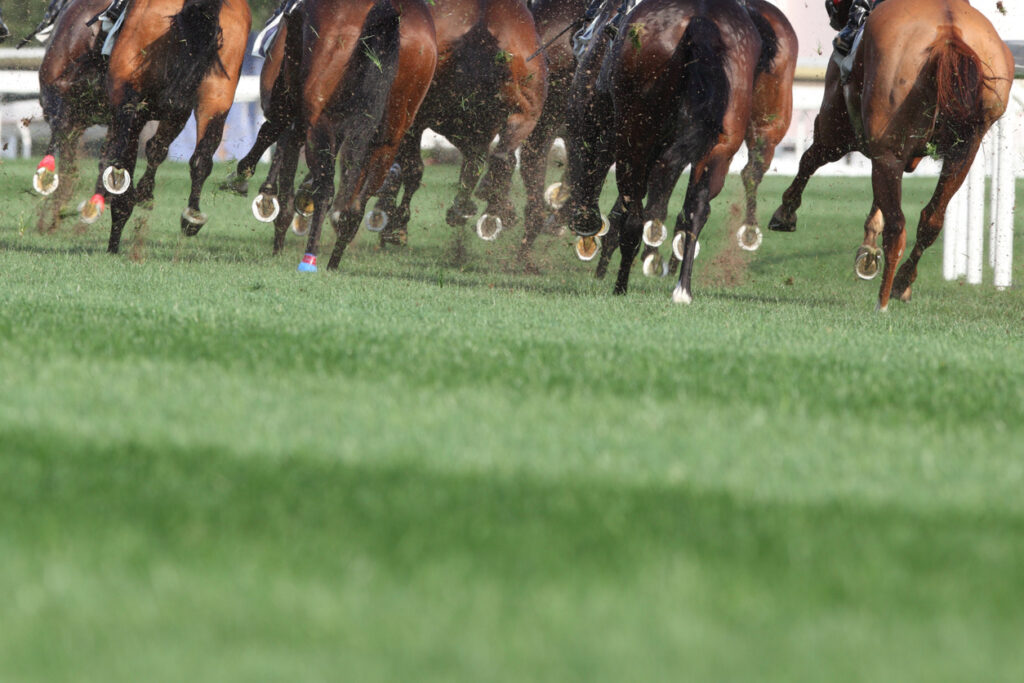
Racecourses are large-scale operations, venues that manage extensive grounds, maintain high-quality turf surfaces, operate complex event infrastructure for public attendance and run year-round maintenance programmes. They are also, in many cases, organisations with significant land holdings, prominent community presence and considerable public visibility. These characteristics make them both significant contributors to the industry’s environmental footprint and potential leaders in demonstrating that horse racing can operate more sustainably.
The Scale of the Energy Challenge
A major British racecourse running 15 – 20 fixtures per year operates a diverse range of energy-consuming systems. Floodlighting for evening fixtures, grandstand heating and cooling, catering operations serving thousands of spectators, stable and veterinary facilities, offices and administrative functions, and extensive grounds maintenance equipment collectively represent a substantial annual energy budget.
At major venues like Cheltenham, Ascot and Newmarket, which also host non-racing events including concerts, hospitality and business conferences, the annual energy demand is comparable to a small hotel complex operating year-round. The carbon intensity of that energy depends on the mix of grid electricity (which in the UK has become progressively cleaner as renewable generation has increased), on-site fuel use (diesel for grounds machinery and backup generation) and gas or oil for heating.
Beyond energy, water represents a significant operational resource. Cheltenham Racecourse received 223mm of rainfall in the first two and a half months of 2026, yet even this exceptional winter wetness required supplementary irrigation when the Festival approached, because the course dried faster than expected in the fortnight before racing. Efficient water capture and storage, collecting rainwater when it falls for use when the ground needs watering, is both an environmental and operational priority.
What Leaders Are Doing
Paris Longchamp Racecourse in France has been cited in multiple sustainability analyses as one of the sector’s most advanced venues in terms of renewable energy. Solar panels installed across the roof of the grandstand generate a portion of the course’s annual energy requirements from on-site generation, reducing its dependence on grid electricity and its associated carbon costs. The facility has also implemented waste reduction programmes targeting event waste from the major race meetings.
In Britain, several courses have taken initial steps toward more sustainable operations:
Solar installations: A number of British racecourses have fitted solar photovoltaic panels on stable roof areas, outbuildings and grandstand sections where structural conditions permit. The economics of on-site solar have improved significantly as panel costs have fallen, and in the current UK energy market, the payback period on racecourse solar installations has shortened considerably.
LED lighting replacement: The transition from halogen and metal halide floodlighting to LED systems at floodlit tracks substantially reduces energy consumption per lux of illumination, typically by 50 – 70%, and eliminates the need for bulb replacement at scale. Multiple all-weather tracks have completed this transition, with further venues scheduled.
Electric grounds machinery: Several courses are piloting electric ride-on mowers, electric utility vehicles and electric tractor-equivalent machinery for grounds maintenance tasks that do not require the power output of diesel equipment. The operational range limitations of current battery technology remain a constraint for larger vehicles, but improvement is ongoing.
Composting facilities: On-site composting of horse manure, soiled bedding and organic waste reduces the volume sent to landfill, produces a soil amendment that can be used for course maintenance, and eliminates the methane emissions associated with anaerobic decomposition in landfill conditions.
The BHA’s Five-Year Commitment
The Racing Resilient strategy sets out what “energy and buildings” action looks like in practice for the industry: reducing energy intensity across racecourse operations (energy consumed per fixture day), increasing the proportion of energy from renewable sources, and improving the thermal efficiency of building stock, particularly older grandstands built before modern insulation standards.
The strategy also acknowledges “agronomy”, the management of turf and grassland, as an area with both energy and broader environmental dimensions. The use of synthetic fertilisers (which require energy-intensive manufacturing and produce nitrous oxide emissions in use) can be reduced through precision application systems and the introduction of complementary practices that maintain turf quality with fewer chemical inputs.
The Commercial Case
The BHA’s recognition that environmental credentials matter to younger audiences, and to the corporate sponsors, hospitality clients and venue hirers who represent a significant revenue stream for major courses, reframes sustainability from a compliance obligation to a commercial opportunity.
A racecourse that can demonstrate certified net-zero operations, or a credible pathway to them, differentiates itself from competitors in the corporate events market and positions itself advantageously with a generation of potential new racing fans and owners who are accustomed to making consumption decisions with environmental consciousness. The Jockey Club, the operator of multiple major racecourses including Cheltenham, Epsom and Newmarket, has included environmental sustainability in its strategic planning, reflecting this commercial as well as ethical dimension.
The Racing Foundation’s investment in the environmental strategy reflects a further dimension: grant-making charities and government funding bodies are increasingly directing resource toward environmental sustainability projects. British racing’s formal strategy provides the framework for accessing this funding.
Synthetic Surfaces: The Greener Track Debate
All-weather racing at venues like Wolverhampton, Lingfield and Kempton uses synthetic surfaces, typically polytrack or tapeta compositions incorporating recycled rubber, rather than natural turf. These surfaces require less water for maintenance (no irrigation requirement equivalent to turf), less pesticide and fertiliser input, and can race year-round regardless of precipitation.
From a sustainability perspective, synthetic surfaces have mixed credentials. They require energy-intensive manufacturing incorporating petroleum-based polymers; they generate microplastic contamination concerns as they wear; and they require periodic replacement. Against these costs, their reduced water and agrochemical use, and their operational resilience argue in their favour. The environmental lifecycle of different track surfaces remains an under-researched question that the Racing Resilient strategy’s evidence-based approach is well positioned to address.


