

Sustainability: Racing Resilient, British Racing’s Environmental Strategy Explained
 |
|


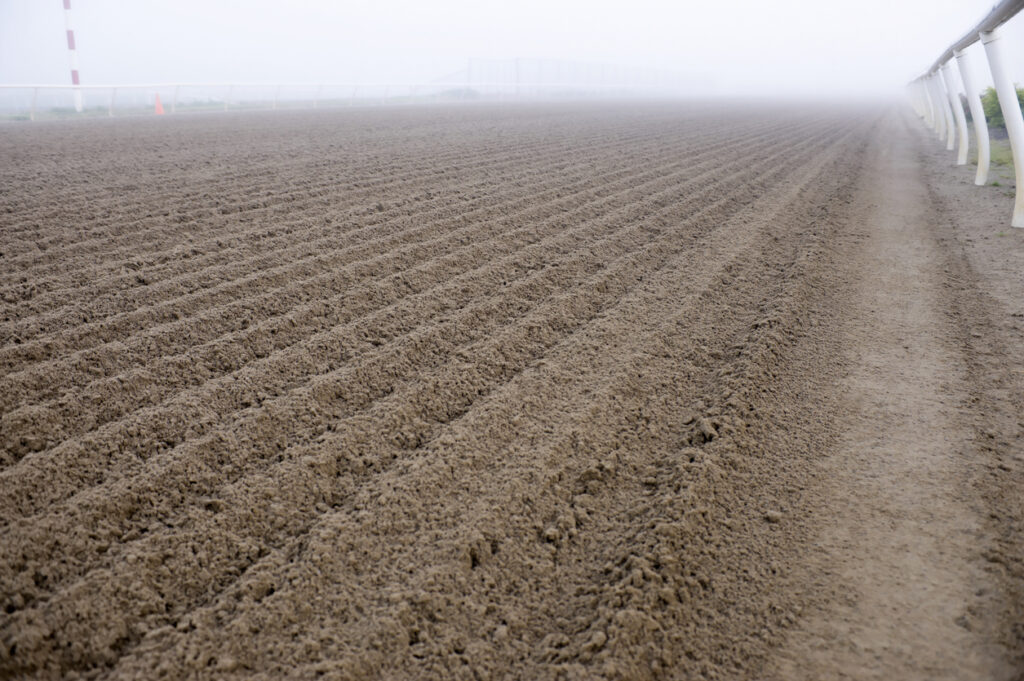
In a strategic document published by the Racing Foundation and developed by the British Horseracing Authority (BHA), titled Racing Resilient, British racing formally acknowledged its environmental responsibilities and committed to a structured five-year programme of sustainability action. The strategy, developed with support from the White Griffin sustainability consultancy, identified six key environmental risk areas and set out an evidence-based approach to reducing the sport’s environmental footprint across each of them.
The Racing Foundation’s statement contextualised the rationale: “The success of British racing and breeding is intrinsically linked to the health of our natural environment. It’s therefore essential for the breeding, training and racing of thoroughbred horses that we all do what we can to protect it.”
Why Racing Needs an Environmental Strategy
British racing is a major land user and land manager. Training centres in Newmarket, Lambourn, Middleham, Epsom and elsewhere encompass thousands of acres of agricultural and semi-natural land. Racecourses are effectively large green spaces with maintained turf requiring water, fertiliser, machinery and energy. Breeding operations on studs generate agricultural waste, consume resources and, through the horses themselves, produce greenhouse gas emissions including methane (from hindgut fermentation) and nitrous oxide (from manure).
Add to this the movement of horses, jockeys, trainers, owners and spectators. Ruth Dancer of White Griffin, presenting at the Horseracing Industry Conference at Newbury, identified “jockeys clocking up 40,000 miles a year each” as a transport example, and the picture is of an industry with a significant but poorly quantified environmental footprint.
Katie Carr, BHA Head of Environmental Sustainability, summarised the challenge: “We’ve already seen the effects of climate change on our sport. Weather related disruptions have become more frequent and severe, with flooding and drought impacting fixtures and water availability. We face a broad range of environmental risks, which could have a real impact on business operations, horse welfare and supply chain security.”
The Four Strategic Priorities
Racing Resilient identifies four priority areas for action, implemented over an initial five-year period:
1. Reducing Carbon Emissions
The strategy addresses carbon reduction across three domains: direct operations (energy use in buildings, agronomy, course maintenance), the wider supply chain (feed, bedding, equipment) and transport (horses, participants and spectators).
The BHA has committed to establishing British racing’s carbon baseline, the foundation for any meaningful reduction programme, as an initial deliverable. Without a credible baseline measurement, it is impossible to set targets or measure progress.
Transport is acknowledged as the dominant source of carbon emissions in the sport. The international transportation of horses by air, for breeding and major races, is particularly carbon-intensive. At a domestic level, horse transport lorries running between training yards, racecourses and studs seven days a week generate substantial cumulative emissions. The strategy aims to support “more sustainable methods of transport for customers and participants,” though specific modal shift targets have not yet been set.
2. Preserving Water Availability
Racing’s water dependency is substantial and two-directional: racecourses need water for turf maintenance (irrigation during dry periods, managing drainage in wet ones), and horses require large quantities of water for drinking, washing and cooling. A single racehorse may require 30 – 45 litres of water per day for maintenance alone, significantly more during active training and racing.
The strategy acknowledges the increasing unpredictability of UK rainfall patterns as a core vulnerability. The 2025 – 26 season’s wet winter, which produced record rainfall at Cheltenham, followed years in which summer drought required emergency irrigation at multiple courses. The strategy commits to a water impact study to “assess the scale of the challenge and how racing can improve resilience,” including improved water storage capacity and more efficient distribution systems.
3. Protecting Nature and Ecosystems
This is the area where British racing has perhaps the most compelling positive case to make. The thousands of acres managed by training yards, studs and racecourses represent some of the most carefully maintained semi-natural habitat in Britain, chalk downland in Newmarket, limestone grassland in Lambourn, water meadows in various locations.
The Racing Resilient strategy identifies the opportunity for this land to serve explicit biodiversity and ecosystem functions: carbon sequestration in grassland soils, habitat for pollinators and farmland birds, wildlife corridors in otherwise intensively farmed landscapes. The strategy commits to working with existing land management expertise across the industry to “support increased biodiversity and help capture and store carbon dioxide.”
As Dancer noted at the Horseracing Industry Conference: “You are custodians of extensive green spaces. You are experts in land and animal management.” The sustainability case is that this existing expertise can be directed toward environmental outcomes that the industry has not previously formalised.
4. Minimising Waste
Racing generates waste across a range of categories: horse manure (each horse can produce up to 50 pounds per day), bedding (straw, shavings, rubber) consumed and discarded at scale, packaging from feed and supplement supply chains, plastic from racecourse catering and operations.
The strategy advocates a “whole life cycle approach”, assessing the environmental impact of inputs from their source through to their disposal, and finding sustainable alternatives at each stage. Horse manure, historically a disposal problem, particularly for yards in peri-urban training centres, is increasingly recognised as a resource: composted, it creates nutrient-rich soil with commercial value to horticulture and farming. Some yards have developed direct supply relationships with local agricultural operations.
The Younger Audience Dimension
Ruth Dancer’s presentation at the Horseracing Industry Conference made a commercially significant observation alongside the environmental one: “The younger generation are so active in this area. You may say, ‘Yes, but not the horsey ones’, yes, the horsey ones, and the ones not into horses, who you want to be into horses, coming to your racecourses, and owning and investing in racehorses. They are interested in the environment and starting to be very vocal and making demands.”
The environmental strategy is not merely a compliance exercise. For racing’s long-term commercial health, attracting new owners, new racegoers and new betting customers, visible environmental commitment is an increasingly important factor in how potential new audiences assess the sport’s social acceptability.


