

Jockey Tactics: Harry Cobden’s Brown Advisory Blueprint, How to Win from the Front at Cheltenham
 |
|


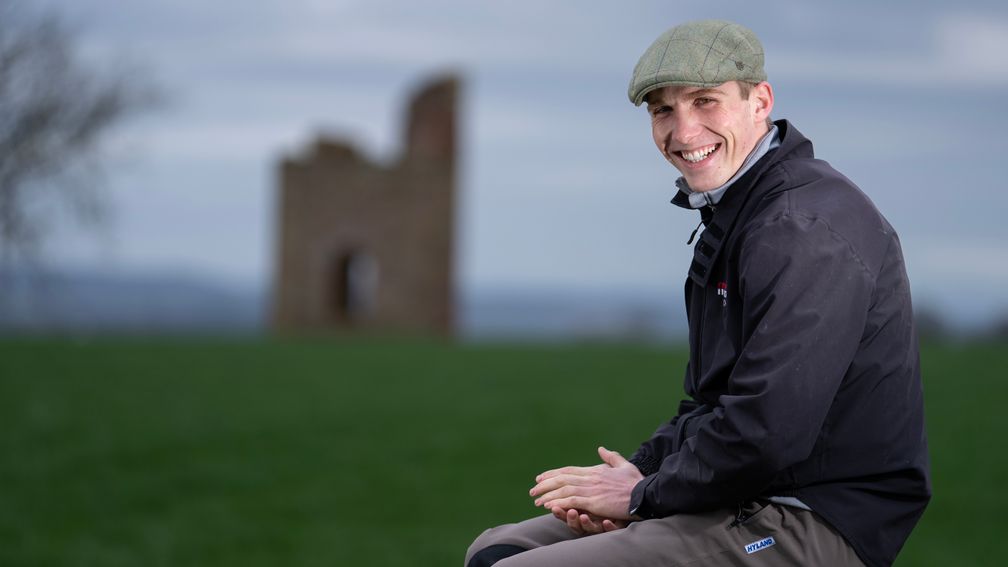
Total Performance Data described Harry Cobden’s ride on Kitzbuhel in the 2026 Brown Advisory Novices’ Chase as “one of the best rides of the week” at the Cheltenham Festival. It was a performance that rewarded detailed examination, not for any single dramatic moment, but for the cumulative quality of micro-decisions across three miles of Grade 1 novice chasing.
Understanding the Horse
Kitzbuhel came to the Brown Advisory as a fast, keen-jumping horse with a known tendency to jump to his right. That tendency had implications for how Cobden needed to ride him: allowing the horse to use his natural exuberance was essential, but managing the right-jumping tendency required careful placement at each fence. The solution was to get to the front early and maintain the position, giving Cobden control over the pace and over which side of each fence they approached.
Cobden had discussed the horse’s characteristics with Paul Nicholls’ yard and understood the plan going in. The key was to use Kitzbuhel’s speed asset rather than fight against it.
Getting to the Front
TPD’s sectional data shows Kitzbuhel as the fastest horse in the field for each of the first three furlong-splits of the Brown Advisory. By the time the field reached the third fence in front of the grandstand, Cobden had secured the lead. From that moment, the ride became a masterclass in front-running discipline.
Front-running in a Grade 1 novice chase at Cheltenham is not straightforwardly advantageous. The field is typically competitive at the highest level; the horse is asked to maintain its jumping standard while being targeted from behind. Cheltenham’s undulating topography means that setting pace correctly on the downhill sections, where horses want to lengthen, is crucial to not burning out before the run-in.
Managing the Middle Section
The second half of the race is where many front-runners at Cheltenham come unstuck. As TPD noted, Kitzbuhel failed to record the fastest individual furlong-split at any point in the second half of the race, the field was closing, but Cobden managed to maintain the lead through the final circuit by keeping his horse moving forwards without over-extending him.
The key tactical element in the middle of the race was the use of Cobden’s right-hand stick. As Final Demand (Paul Townend, Kitzbuhel’s stablemate) began to challenge on the inside, Cobden used his stick in his right hand to keep Kitzbuhel straight at the second-last fence. This prevented the winner from jumping right into his rival’s path and effectively neutralised what might have been a competitive jump-off between two Willie Mullins’ horses approaching the last.
The Second-Last: The Critical Fence
TPD identified the second-last as “the key moment” and recommended it “should be watched over and over again as an example of how to ride the Cheltenham finish.” Cobden used the stick to keep Kitzbuhel parallel to Final Demand, maintaining a clean line while checking any drift. The horse met the fence in an excellent stride. The momentum through that fence was decisive.
At the last, Cobden repeated the exercise, stick in the right hand, keeping the horse straight while driving him to the line. Kitzbuhel responded readily, recording a run-out speed of 26.40mph and a late-speed figure of 26.11mph, both superior to Final Demand.
Why It Was the Right Ride
The post-race analysis of Final Demand raises the question of whether the runner-up was an unlucky loser. TPD addressed this directly, concluding he was not: “There really is no reason to think that Final Demand was an unlucky loser.” He was faster in the penultimate furlong but slower in the final split, suggesting the pace of the race had found him out rather than any interference costing him the race. Cobden’s ride on the winner was the primary reason for the outcome.
The tactical template Cobden demonstrated, identify the horse’s strength (speed), commit to using it from the start, manage the tendency toward drifting, and maintain control through the final two fences with precise use of the whip, is a blueprint for how a fast novice chaser should be ridden at Cheltenham when the conditions allow.


