

Jockey Tactics: James Bowen’s Front-Running Festival Double, Reading the Pace Bias
 |
|


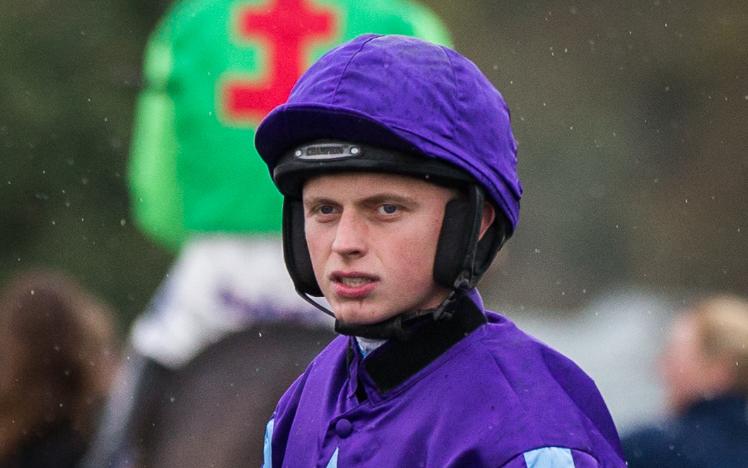
One of the lesser-discussed tactical stories of the 2026 Cheltenham Festival was the emergence of James Bowen, a young jockey who arrived at the meeting with zero Festival winners to his name. He left with two, both achieved by reading and exploiting the front-running bias that emerged as a defining feature of the week’s racing.
The Context: A Front-Running Week
Timeform’s post-Festival analysis identified that no fewer than eight front-runners won races across the four days of the 2026 Cheltenham Festival, six of those in chase races alone. The analysis went further, noting that horses ridden in mid-division or further back faced “a serious disadvantage” in several of the chases run on the New Course, where the track width available to the field was more restricted than on the Old Course.
For a young jockey with a bold front-running style, the 2026 Festival was an environment that rewarded exactly what James Bowen does best.
Race One: Holloway Queen, National Hunt Chase (Tuesday, 5.20 pm)
Bowen’s first Festival winner came on Nicky Henderson’s Holloway Queen in the National Hunt Steeplechase Challenge Cup, the day’s closing race and one that ITV does not broadcast live, making it something of a forgotten race in the public narrative.
Holloway Queen started at 12/1 and, on paper, was not the most fancied runner in the field. But Bowen produced a forceful front-running ride over the 3m 6f trip, capitalising on a race where those held up off the pace struggled to get involved in the closing stages. His ride was confident and efficient: not a showboating pace-setting exercise, but a controlled display of setting the terms and never allowing the field to settle into a rhythm behind him.
The win was Bowen’s first at a Cheltenham Festival meeting, beating his older brother Sean to the milestone. Sean Bowen was also riding at the Festival throughout the week and would end it without a winner, a contrast that generated considerable human interest in the racing media.
Race Two: Jingko Blue, BetMGM Cup Handicap Hurdle (Wednesday, 2.40 pm)
Bowen’s second winner arrived less than 24 hours later, in the BetMGM Cup, a large-field handicap hurdle on the Old Course’s Ladies’ Day card. Jingko Blue (9/2 favourite, Nicky Henderson) was backed into favouritism from double-figure prices on the morning, suggesting market confidence in a front-running ride that suited the track conditions.
Bowen’s approach was direct: he immediately sent Jingko Blue to the front and made every yard of the 24-runner contest. As the analyst at At The Races observed, the horse “barely saw another rival”, a six-length winning margin that reflected the dominance of the front-running position on a card where the pace bias was again pronounced.
Bowen’s own account of the ride is instructive about tactical improvisation: “Plan A went completely out of the window, then B and C. I never intended to make the running, but I winged the first and the next thing I was there, doing nothing. It felt good when I winged the last because he doesn’t always come for you, but he did today.”
The key phrase is “doing nothing.” Bowen recognised, in the moment, that he had landed in the best possible position for his horse and for the conditions, and had the composure not to panic or try to move back off the front. Many younger jockeys would have pulled back from an unexpected lead, fearing the exposure of making the running. Bowen held his nerve.
Making History
The two-day consecutive winning double made Bowen the first jockey in Cheltenham Festival history to win on consecutive days beginning from the opening day, a milestone achieved in only his second and third Festival rides. His older brother Sean, riding extensively throughout the week, was unable to add to his Festival record.
Henderson, who saddled both winners, was generous in his praise of the younger jockey. After Jingko Blue, he said: “It will keep Tony Barney (owner) quiet for at least a day.” The understated praise from a trainer of Henderson’s experience carried weight.
Wider Significance: Reading the Bias
What makes Bowen’s Festival particularly instructive for form students is that his tactical choices were not accidental. The front-running bias at Cheltenham’s Festival, particularly on the New Course chases and on days when the track was ridden over a restricted width, rewarded jockeys who understood their positioning. Bowen, either by instinct or by reading the opening day carefully, adopted tactics that were precisely suited to the course and the conditions.
The wider question, raised by Timeform’s post-Festival analysis, is whether the conditions for front-runners at the 2026 Festival reflected the track layout or something more structural about how the meeting is managed, and whether that should be examined. For the purposes of tactical analysis, however, the front-running pattern was clear, consistent across four days, and rewarded those who rode to it.


