

Track Bias Tracker: Cheltenham Festival 2026, Front-Runners Dominated, Especially Over Fences
 |
|


Summary
A pronounced front-running bias was present across much of the 2026 Cheltenham Festival, particularly in the chase races run on the New Course on Thursday and Friday. Timeform’s post-Festival analysis identified eight front-runners winning across the four days, with six of those wins coming in chase contests. Horses ridden in mid-division or further back faced what was described as “a serious disadvantage” in several key races. The bias was less consistent in hurdle races and was weaker on the Old Course (Tuesday/Wednesday) compared to the New Course (Thursday/Friday).
The Ground Story: Drying All Week
The going narrative at the 2026 Festival is essential context for understanding the bias pattern. Cheltenham received 223mm of rainfall between January and the start of March 2026, a historically wet winter, but a dry spell from late February into early March allowed the surface to recover significantly before racing began.
Clerk of the Course Jon Pullin confirmed the going for Champion Day (Tuesday) as Good to Soft, achieved after selective watering to prevent the turf from drying too quickly in the final week before the Festival. Targeted irrigation on both the Old and New Courses in the 48 hours before racing ensured a consistent surface at the start of the week.
Rain overnight Tuesday into Wednesday (Ladies’ Day) maintained similar conditions through days one and two. Pullin confirmed 5 – 10mm of rain was forecast for late Thursday/early Friday, which fell as expected. The Gold Cup day surface, still described as Good to Soft, had been drying through the week, with a firmer (faster) strip available on the racing line than on the Tuesday. The Gold Cup winning time of 6m 39.02s was 10.98 seconds faster than expected, consistent with a surface significantly quicker than the going description alone would imply.
Total Performance Data noted the Arkle’s winning time (3m 52.35s) was the second fastest of the past decade, and the Champion Hurdle ran 7+ seconds faster than the TPD expected time. The progressive drying of the track from Tuesday to Friday amplified any front-running advantage as the week progressed, with quicker ground allowing leaders to dictate at a higher pace without tiring as quickly as they would on a soft surface.
Course-by-Course Analysis
Old Course (Champion Day, Tuesday + Ladies’ Day, Wednesday)
At The Races analyst Tom Collins, reviewing the first two days, noted that “the front-running bias on the hurdles track continued, but closers were able to get involved over the regulation fences.” The qualification is important: the bias was measurable on the Old Course but less absolute than it became on the New Course later in the week.
Hurdles (Old Course):
– Lossiemouth made the running from the third-last in the Champion Hurdle
– Old Park Star came from a prominent early position in the Supreme
– Jingko Blue made every yard in the BetMGM Cup on the Old Course (Wednesday)
Chases (Old Course):
– Kargese made all in the Arkle
– Kitzbuhel made all in the Brown Advisory
– The Grand Annual was won by Martator (66/1) coming from off the pace, the main counter-example on the Old Course
The Old Course results suggest a bias toward prominent racers but not an absolute front-runner’s track. Closers could and did compete, particularly when those at the front made errors or tired.
New Course (St Patrick’s Thursday + Gold Cup Day, Friday)
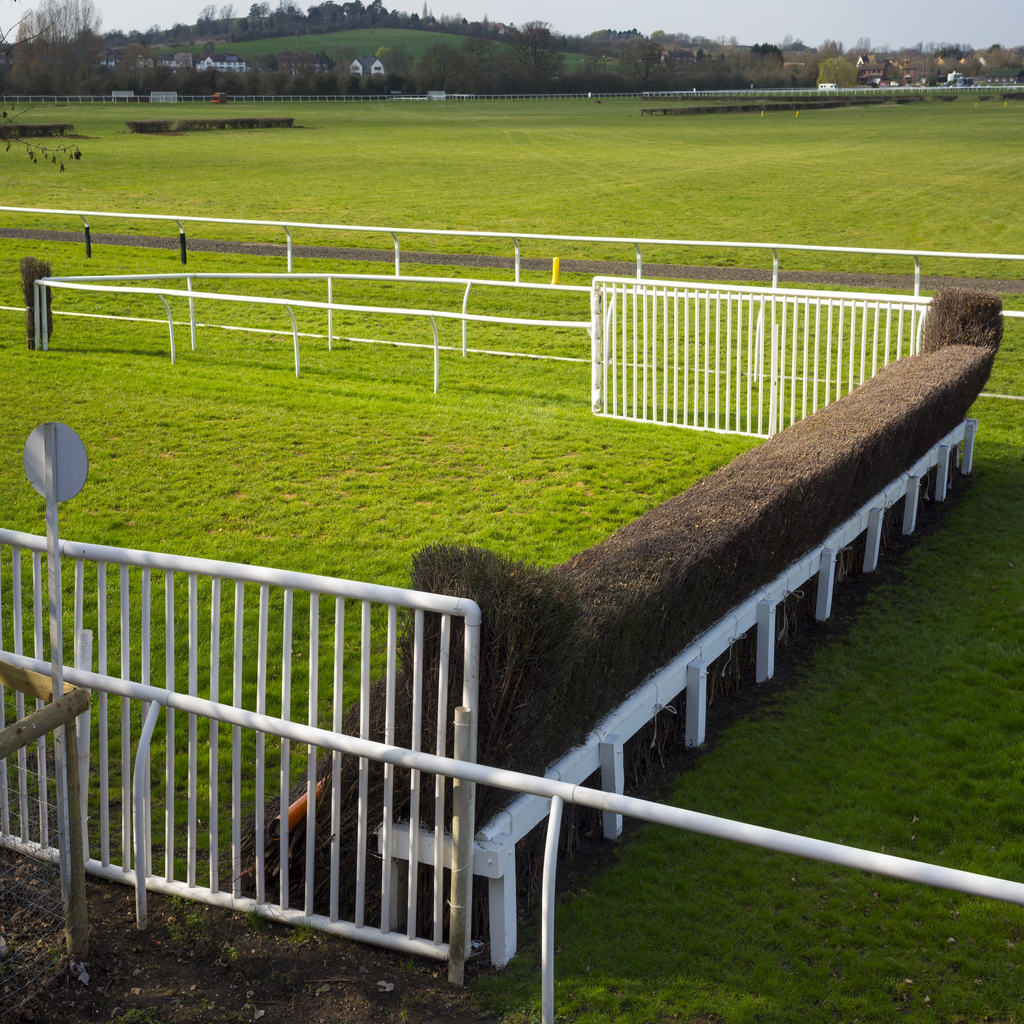
The bias became markedly more pronounced on the New Course. Timeform’s analysis identified the racing surface width on the New Course as a contributing structural factor: the available racing width was more restricted than on the Old Course, meaning horses pushed wide so as to make ground faced additional ground-loss penalties and horses tracking the inner had a positional advantage.
Chase results on the New Course:
– Heart Wood made a forward move from a prominent position to win the Ryanair Chase
– Gaelic Warrior tracked the rail and made his move from inside the leaders in the Gold Cup
– Meetmebythesea raced prominently throughout in the Jack Richards Novices’ Handicap Chase
Timeform’s post-Festival piece was explicit: in several of the chases on the New Course, horses ridden in mid-division “were at a serious disadvantage” and the consistent dominance of those positioned near the front “suggests those held up were unlikely to get involved.” The piece called for Cheltenham to consider “opening the full width of the track for all of the chases run on the New Course at the Festival.”
Hurdles on the New Course:
The bias was somewhat weaker in hurdle races, where the distances are longer and the pace shape is less extreme. Home By The Lee won the Stayers’ Hurdle from a patient position, the 33/1 shot who tracked off the pace and came through in the home straight, demonstrating that the hurdle races on the New Course did not share the same absolute bias as the chases.
Starts Controversy
A separate but related issue noted by analysts and the BHA itself was the poor quality of starts during the Festival week. Timeform’s analysis explicitly mentioned “shambolic starts” and noted that the BHA announced a review mid-meeting. Several runners were significantly disadvantaged by slow or problematic starts, most notably No Drama This End in the Turners Novices’ Hurdle, and the resulting scramble for early position contributed to the front-running bias by intensifying the contest for prominent ground from the outset.
The Timeform piece connected these two issues: “The quest to grab a prominent position has almost certainly contributed to the shambolic starts we’ve regularly endured at the Cheltenham Festival over the past decade or so.” When jockeys know a front-running position is worth an advantage, the scramble to get there intensifies, and the start becomes more chaotic.
Winners by Race Position at Cheltenham Festival 2026
| Race Type | Front-runners winning | Mid-division / hold-up winners |
|———–|———————-|——————————-|
| Hurdles | 4 | 4 |
| Chases | 6 | 2 |
| Total | 8| 6 |
Timeform’s stated figure of eight front-runner wins (six in chases) is verified against the race results across the four days.
Key Takeaways for Form Study
The 2026 Festival bias pattern offers several practical implications for future racing at Cheltenham:
1. New Course chase races carry a stronger front-running bias than Old Course events. A distinction worth noting when assessing Thursday and Friday runners.
2. Progressive drying amplifies the bias as the week progresses and the ground quickens; front-runner advantages extend because the fast ground allows leaders to dictate at pace without tiring.
3. Hurdle races are more resistant to the bias, particularly at three miles or beyond, where pace shapes are more complex and stamina becomes a more significant factor than position.
4. Start quality matters, horses who are slow away from the gate at the Festival face a disproportionate disadvantage if they are required to be prominent, as the scramble for early position is fierce.
5. Width of track affects degree of bias, the New Course’s restricted racing width intensifies the advantage of inside and prominent positions compared to wider, more open tracks.


