

Trainer Patterns: Willie Mullins at Cheltenham 2026, Eight Winners, 121 Total, and the Cheekpiece Decision
 |
|


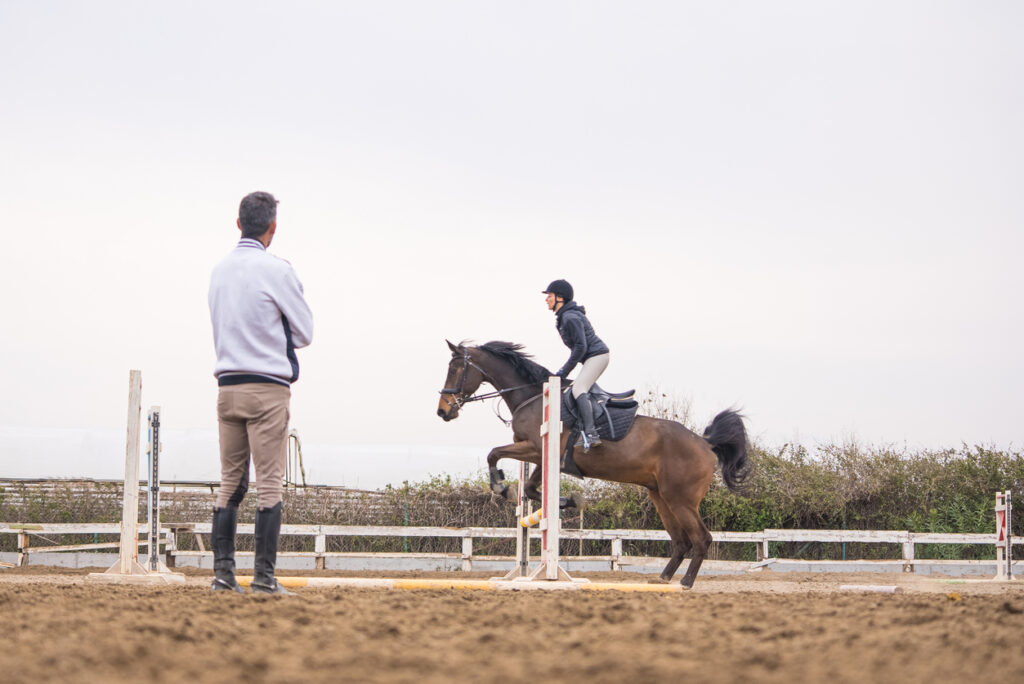
Willie Mullins arrived at the 2026 Cheltenham Festival having already rewritten the record books at the meeting more times than any trainer in history. He left Prestbury Park with eight winners across the four days. His tally, confirmed in post-Festival reports, bringing his career Cheltenham Festival total to 121 winners, according to updated figures including the 2026 edition. He was, for a record-extending 13th time, leading trainer at the meeting. What follows is an analysis of how the 2026 Festival illustrated Mullins’ consistent methods and where, this year, he showed tactical flexibility.
The Headline Numbers
Mullins entered 87 horses across 54 individual runners for the 2026 Festival, the largest entry from any trainer. From that squad, he saddled winners across all four days of the meeting:
– Champion Day (Tue): Kargese (Arkle), Lossiemouth (Champion Hurdle)
– Ladies’ Day (Wed): King Rasko Grey (Turners), Kitzbuhel (Brown Advisory), Il Etait Temps (Champion Chase)
– St Patrick’s Thursday (Thu): No winners (by Mullins-trained horse in the major races, though Ballyburn ran second in the Stayers’ Hurdle)
– Gold Cup Day (Fri): Apolon De Charnie (Triumph Hurdle, 50/1), Gaelic Warrior (Gold Cup), Air Of Entitlement (Martin Pipe, Henry de Bromhead-trained, not Mullins)
By the end of the week, the pattern characteristic of a Mullins Festival was clear: Grade 1 winners distributed across multiple races and disciplines, with both the most fancied runner (Lossiemouth, 7/5) and a 50/1 shot (Apolon De Charnie) contributing to the tally.
The Cheekpiece Intervention
One of the most revealing tactical decisions of the week was Mullins’ use of cheekpieces on Lossiemouth for the Champion Hurdle, equipment applied for the first time in the mare’s career, just ten days before the race. Mullins explained the reasoning in straightforward terms: “When I saw her working in them the other morning and when she pulled up, Paul pulled up and, you know, I spoke to him and we both had the same feeling that this was the way to go.”
The same post-race analysis that highlighted the cheekpiece decision on Lossiemouth noted that Mullins also removed a hood from Il Etait Temps for the Champion Chase, a small but deliberate equipment change that may have contributed to the horse’s front-running confidence in the race. The Sporting Life’s Festival awards piece observed that the Skelton yard had also used cheekpieces on Madara; Venetia Williams applied first-time blinkers to Martator after 15 consecutive runs in cheekpieces.
The pattern across the week, multiple trainers making deliberate equipment modifications for key Festival targets, is consistent with the professional preparation that goes into top-level National Hunt racing. That Mullins’ two interventions (cheekpieces on Lossiemouth, hood removal on Il Etait Temps) both directly preceded Grade 1 victories reflects the quality of the preparation at Closutton.
How Mullins Distributes Rides Across the Yard
A structural feature of Mullins’ operation at the Festival is the systematic allocation of rides across his jockeys. Paul Townend, as first jockey, receives the principal runner in each race where Mullins has multiple entries. Where Mullins runs two horses in the same race, as he did in the Champion Chase with Majborough (Mark Walsh) and Il Etait Temps (Townend), the allocation reflects the yard’s internal ranking of each horse’s chances.
In 2026, the allocation of Townend to Il Etait Temps rather than Majborough, despite Majborough being the much shorter-priced favourite, was significant. Majborough had a known jumping concern at Cheltenham-type fences; Il Etait Temps was a proven jumper with strong form credentials. Townend’s preference, or the yard’s allocation, proved correct when Majborough produced a series of jumping errors and Il Etait Temps won by ten lengths.
Danny Mullins, as a secondary rider for the yard, rode Kargese to Arkle success, a result that extended his record of winning Grade 1s at non-favourite odds to 32. The deliberate distribution of rides across multiple jockeys maximises the yard’s chances across large fields with multiple runners.
The Absent Elephant
No analysis of Mullins’ 2026 Festival is complete without acknowledging Fact To File’s absence. The horse, winner of the 2025 Ryanair Chase by nine lengths and a clear candidate for either the Ryanair or Gold Cup in 2026, was withdrawn on the morning of St Patrick’s Thursday. His absence opened the Ryanair to Heart Wood, who won by ten lengths, and cast a shadow over the Gold Cup result (where Gaelic Warrior, beaten by Fact To File in the Irish Gold Cup, won by eight lengths).
Mullins’ response in the press was measured: he expressed delight at what was achieved while acknowledging the what-if. Timeform’s Phil Turner phrased the broader point: “The last 48 hours of the Festival were about the horse standing in his box at Closutton.” It is a characteristically Mullins scenario, a yard so deep that the withdrawal of one potentially dominant horse barely dents an eight-winner week.
Pattern: Mullins at Cheltenham by Race Type
Over the recent history of the Cheltenham Festival, several patterns characterise Mullins’ operation at the meeting:
Grade 1 Championship races: Mullins has won five of the last six Cheltenham Gold Cups (including 2026). He has won six Champion Hurdles, most recently with State Man (2024) and Lossiemouth (2026). His record in the Queen Mother Champion Chase has strengthened in recent years, with Il Etait Temps in 2026 following Energumene’s back-to-back wins in 2022 – 23.
Novice races: Mullins holds records in the Supreme (8 wins), the Turners (multiple), and has won the Brown Advisory and Albert Bartlett regularly. His novice-sourcing pipeline, identifying horses from France and the French system before they reach the British market, gives him a consistent structural advantage in the novice grades.
Handicaps: Mullins tends not to target the Festival’s premier handicaps as aggressively as he does the Grade 1 races, but he places selected runners in the County Hurdle, Grand Annual and Pertemps with precision when he identifies a horse with a suitable mark.
Strike rate: The Read Horse Racing analysis confirmed that heading into Gold Cup Day, Mullins was showing a 20% strike rate from his last 89 runners in the days before the Festival, a benchmark that reflected fair rather than exceptional pre-Festival form, yet he delivered eight Festival winners once the week began.


