

Weather & Going Watch: New Course, Faster Ground, and Gold Cup Day’s Record Time
 |
|


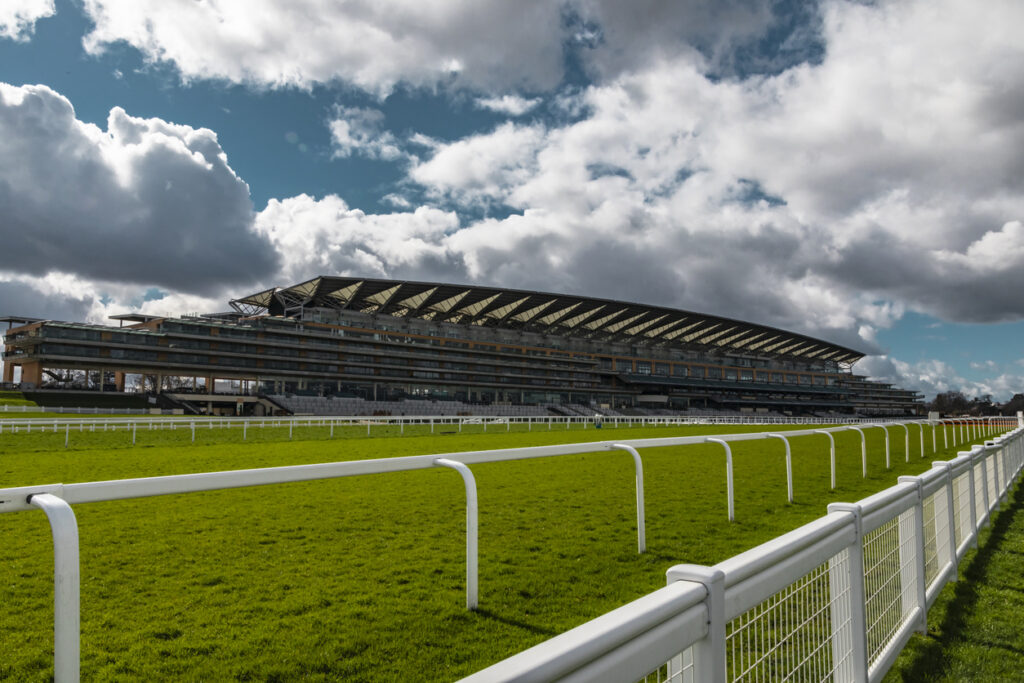
The New Course Differential
Cheltenham’s New Course, used for the Festival’s final two days, has historically carried slightly faster going than the Old Course due to differences in drainage infrastructure and soil composition. Jon Pullin, Clerk of the Course, has confirmed the New Course “has always been a little bit better ground than the Old Course” as a general rule, which is why selective watering of the New Course was applied earlier in the Festival week (before Tuesday’s racing) to bring it closer to the Old Course’s Good to Soft.
By Thursday, that additional watering had been absorbed and the progressive drying of the week had continued. The New Course going on St Patrick’s Thursday was described as Good to Soft, consistent with the rest of the Festival, but the progression from Tuesday’s surface to Thursday’s was measurable in the timing data.
St Patrick’s Thursday: Ground That Stretched Stamina
The Paddy Power Stayers’ Hurdle produced the most striking ground-related result of St Patrick’s Thursday. Kabral Du Mathan (Dan Skelton, Harry Skelton), the prominent British challenger who led over the final hurdle and appeared set to win, was ultimately caught and beaten by Home By The Lee on the run-in. Timeform’s analysis provided the specific ground-related explanation: the pace of the well-run three-mile hurdle had “drained” Kabral Du Mathan of stamina after the last, despite him leading at the obstacle.
The implication is that the New Course conditions, Good to Soft but drying within that description, produced a pace shape in the Stayers’ Hurdle that was demanding enough to expose any marginal stamina concern. Home By The Lee, an 11-year-old with a career of three-mile hurdle experience, had the constitution to maintain his momentum where a younger horse with less established stamina reserves could not.
The Ryanair Chase on the same afternoon produced Heart Wood’s ten-length victory, a winning margin that Timeform rated at 165, described as a career best. The New Course conditions suited the winner’s front-running prominence; those who tracked from further back were less competitive in a race where Jonbon, travelling in mid-division for much of the journey, “went to pieces late on” in terms of jumping. The connection between the New Course bias and the pace conditions on Thursday is consistent with the pattern identified across the week.
Thursday Evening Rain: 5 – 10mm Overnight
Pullin’s mid-week forecast had warned of 5 – 10mm of rain on Thursday afternoon into Friday morning: “We’re looking at 5 – 10mm potentially through late afternoon and into tomorrow and then it clears during the early hours and into the morning and it should be a mainly dry afternoon [on Friday].”
The rain arrived as forecast. The Gold Cup Day surface received the overnight rainfall and began Gold Cup morning still described as Good to Soft, but the character of the ground on Friday was subtly different from Thursday’s. The overnight rain had refreshed the surface without returning it to the softer conditions of earlier in the week. The racing line was quicker than the description implied, and the Gold Cup’s timing data confirmed this emphatically.
Gold Cup Day: A Record Time Explained
The Boodles Cheltenham Gold Cup’s winning time of 6m 39.02s was recorded as 10.98 seconds faster than Timeform’s expected time for the race. This is a substantial differential, in the Gold Cup context, where the distance is 3m 2.5f over 22 fences, an 11-second improvement over expected pace reflects conditions significantly quicker than Good to Soft would conventionally imply.
Several factors combined to produce the exceptional time:
1. The racing surface: The New Course going had been drying progressively through the week, and despite the overnight rain on Thursday, the actual firmness of the racing surface on Friday remained above what the going description suggested. Cheltenham’s drainage ensures that 5 – 10mm of rainfall does not materially reverse days of drying.
2. A genuine pace: Haiti Couleurs (Sean Bowen, Rebecca Curtis) set strong fractions from early in the Gold Cup, creating a race run at a pace sufficient to produce fast splits throughout. A truly-run Gold Cup on faster-than-described ground is the combination most likely to generate a fast winning time.
3. The quality of the winner: Gaelic Warrior was a horse in peak condition, jumping soundly through 22 fences and accelerating in the manner of a superior performer rather than a horse benefitting from favourable conditions alone. Timeform’s rating of 174 reflects the race’s quality rather than simply the going.
The 10.98-second margin over expected reflects all three factors. The ground story at the 2026 Festival, a wet winter resolved by a dry spring fortnight, carefully managed by the course team, and producing a progressively quicker surface across four days, was a significant contributing factor to one of the better-timed Gold Cups in recent memory.


