

Red Rum: The People’s Champion Who Mastered Aintree
 |
|


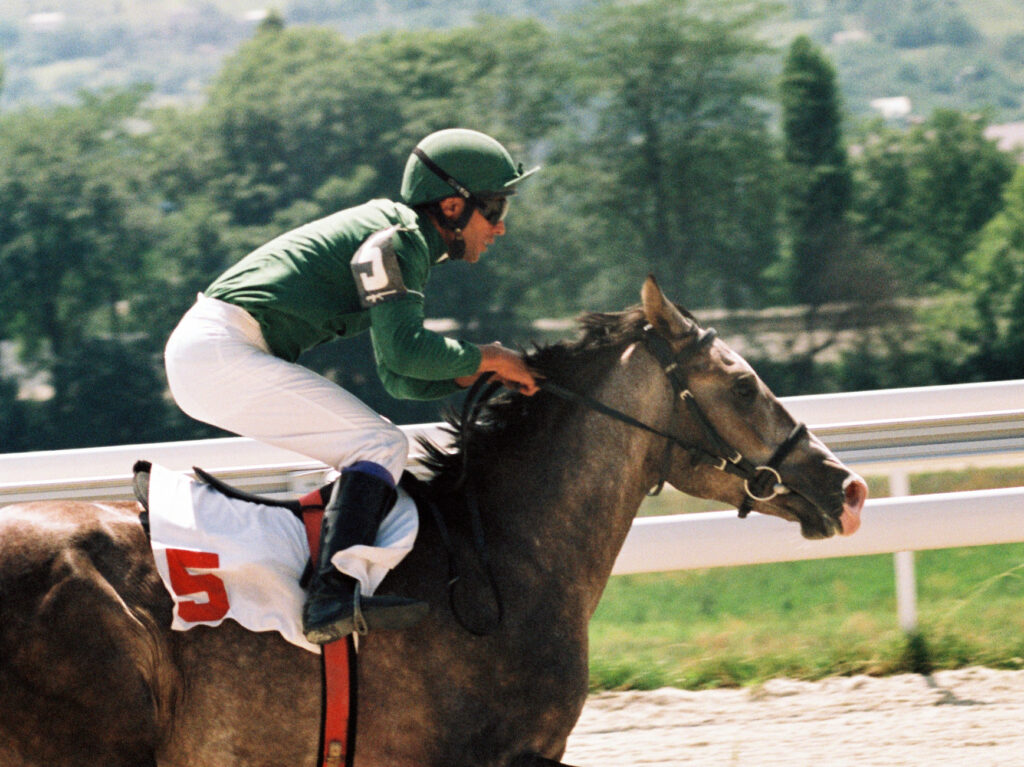
Red Rum’s record at the Grand National stands alone in racing history: three victories (1973, 1974, 1977) and two second places (1975, 1976) in five consecutive runnings. No horse before or since has combined such sustained excellence over Aintree’s brutal 4-mile examination. But Red Rum’s significance extends beyond statistics. He became British racing’s most beloved horse, a symbol of grit, resilience, and the triumph of the underdog.
The Southport Connection
Red Rum was trained by Ginger McCain from a yard literally beside the beach in Southport. McCain, a former taxi driver and car salesman, trained the horse using the beach’s firm sand for gallops, an unorthodox approach that became central to Red Rum’s conditioning. The horse’s feet, prone to pedal bone issues early in his career, reportedly benefited from the salt water and hard surface.
The partnership between McCain and Red Rum was as unlikely as it was successful. McCain had never trained a Grand National winner. Red Rum was a moderate handicapper until McCain acquired him. But the combination of the trainer’s instincts, the beach training regimen, and the horse’s natural jumping ability created magic.
The Three Wins
The 1973 victory by Brian Fletcher, came after Red Rum made up an enormous amount of ground in the final half-mile to catch the Australian challenger, Crisp, in one of the National’s most dramatic finishes. Crisp had led from the start and still held a lead at the final fence, but Red Rum’s relentless galloping wore him down in the run-in.
The 1974 win was more straightforward. Red Rum led from the front and held off L’Escargot, establishing him as the dominant Aintree force of the era.
The 1977 victory, after two second places in 1975 and 1976, was Red Rum’s crowning achievement. At age 12, ridden by Tommy Stack (who had replaced Fletcher), he became the oldest winner in National history. The reception he received after crossing the line remains one of British sport’s most emotional moments.
The Cultural Phenomenon
Red Rum became a celebrity beyond racing. He appeared on television, made personal appearances, and drew crowds wherever he went. His name became synonymous with the Grand National itself. For millions of Britons who watched racing only once a year, on Grand National Saturday, Red Rum was racing.
When he died in 1995, he was buried at the winning post at Aintree, the only horse ever accorded that honour. A life-size statue stands near the parade ring. The tributes that poured in following his death demonstrated that he had transcended sport to become part of British cultural identity.
Why He Mattered
Red Rum’s appeal was not based on brilliance or aristocratic breeding. He was a tough, honest, relentless competitor who kept coming back year after year. He represented the values that the British public wanted to see reflected in their sporting heroes: resilience, determination, and the refusal to quit.
Ginger McCain once said that Red Rum “loved Aintree.” Whether horses can love racecourses is debatable. But what is not debatable is that Red Rum understood Aintree’s demands and met them with a consistency no other horse has matched.
His record will likely never be broken. The Grand National is too unpredictable, the field too large, and the fences too demanding for any horse to achieve three wins and two seconds in five consecutive years. Red Rum did it. That is his legacy, not just achievement, but the kind of achievement that defies replication.


