

Sam Twiston-Davies: The Art of Setting Pace, Making the Running and Making It Count
 |
|


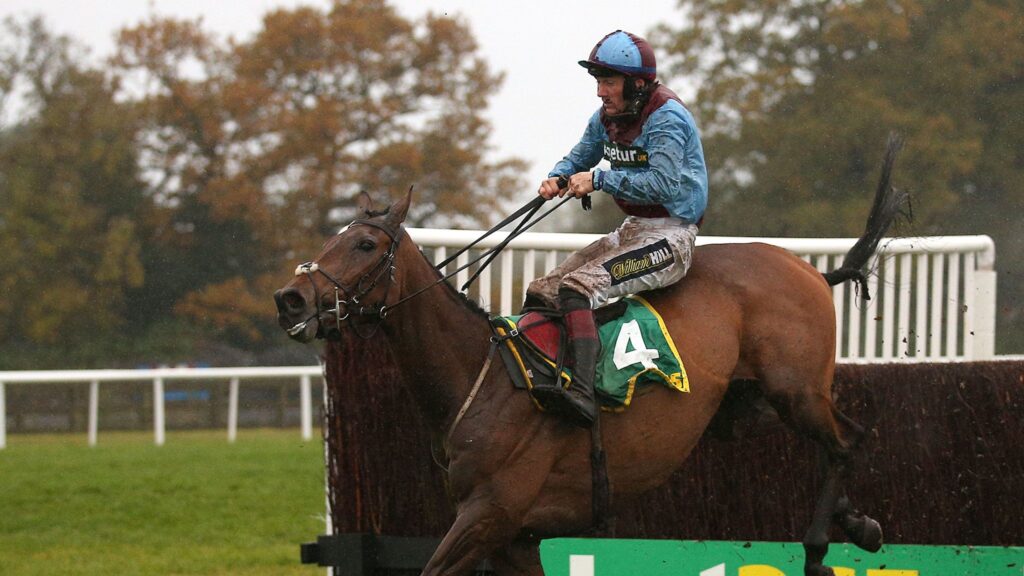
In a season where Sam Twiston-Davies has recorded 68 winners from 401 rides at a 17% strike rate, his Grade 2 Kingwell Hurdle run on Rubaud at Wincanton on 14 February was one of the defining performances of his calendar, not because he won, but because of how deliberately and professionally he set the race up, even in defeat.
The Freelance in Full Flight
Twiston-Davies turned freelance in May 2018 after leaving his role as Paul Nicholls’s retained jockey, a position he had held since 2014. Since then, he has maintained a close working relationship with Nicholls while also riding for a wide range of yards, a breadth of connections that demands a different kind of preparation for each ride. Unlike a stable jockey who knows a horse intimately through daily work, Twiston-Davies arrives at each race having constructed his read of the horse from previous runs and briefings. The Rubaud partnership is one he knows well; the horse has been a consistent Wincanton specialist with three wins on the track and a profile that suits front-running on a circuit where he can dictate.
Twiston-Davies comes from deep racing roots. His father Nigel trains from the Cotswolds, and Sam grew up inside racing’s mechanics, he rode Baby Run to third in the 2009 Cheltenham Foxhunter as a 16-year-old amateur, then won it the following year. He turned professional in 2010, won the Conditional Jockeys’ Championship in his first season, and achieved his first century, 115 winners, in 2013-14. His Grade 1 highlights include Dodging Bullets in the 2015 Queen Mother Champion Chase and Clan des Obeaux in the 2019 King George VI Chase, the latter as a second-string Nicholls ride when he picked off the favourite Cyrname.
The Rubaud Approach: Setting Terms in Heavy Ground
In the Kingwell, Twiston-Davies elected to send Rubaud immediately to the front. The going was officially Heavy, 1.28mm of rainfall recorded on the day, temperatures between 3.7C and 6.5C. Paul Nicholls had acknowledged publicly that he was “not entirely sure” Rubaud was “in love with really testing ground.” On paper, that should have favoured restraint. But Twiston-Davies knows Rubaud’s limitations in a similar way: the horse’s best performances come when he controls the tempo, when there is no horse directly alongside him disturbing his rhythm.
He set a pace that was strong but sustainable through the back section of Wincanton, quick enough to test the runners who would need to be produced from off the pace, measured enough to leave Rubaud with reserves in the straight. The race card confirmed Rubaud “led, pushed along before 2 out, headed before last, stayed on but held final 100yds flat.” He finished a length and a quarter second to Alexei. In heavier conditions than he prefers, against a younger and improving rival, that was a performance of high professional merit.
The Bigger Tactical Picture
What Twiston-Davies demonstrated was the specific skill of the experienced front-runner: if you cannot win the race from the front, you can at least dictate it. By controlling the tempo in the Kingwell, Rubaud drew Alexei into a race that suited Powell’s tracking plan. In a different field with a different pace scenario, one where no dominant front-runner emerges, Rubaud might have won the same race by six lengths.
This is the tactical nuance that only experienced freelancers deliver consistently. Twiston-Davies does not make excuses for defeats in running; he analyses the race structure and identifies what his horse could and could not do given the conditions. Rubaud, he confirmed by his riding, ran his race. The opposition on the day was better. That is horse racing, and Twiston-Davies knows its rhythms as thoroughly as any rider currently active in British jump racing.


