

Racecourse Carbon Footprints: Measuring and Reducing Environmental Impact
 |
|


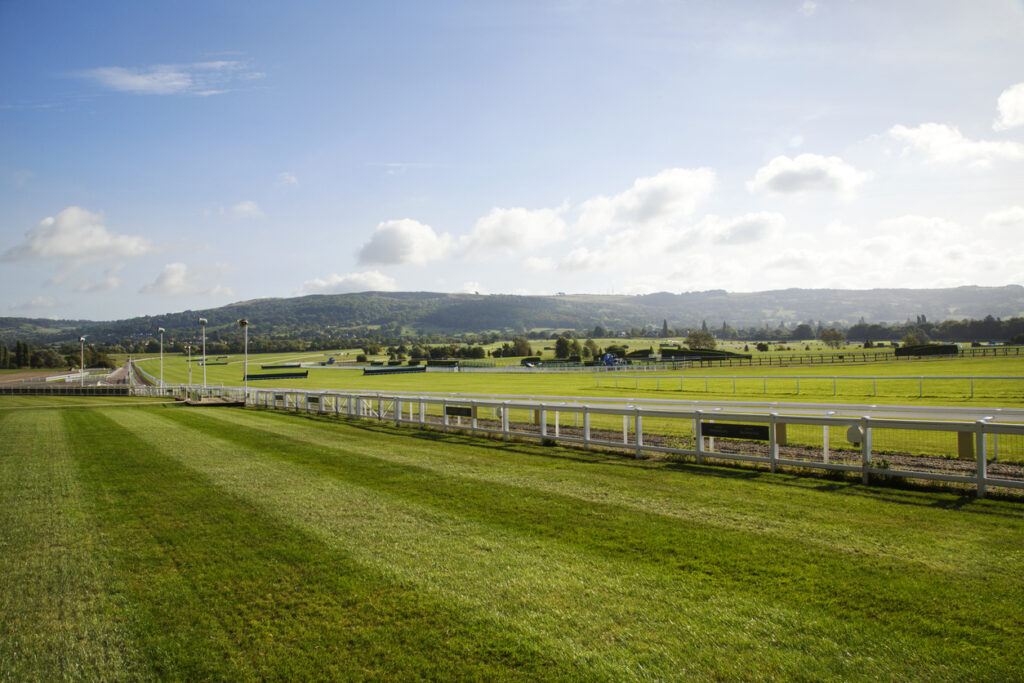
British racecourses are beginning to measure and reduce their environmental impact. Courses hosting 15-20 fixtures annually generate carbon emissions from energy use, waste, transport, and turf management. Leading courses are implementing sustainability programmes addressing all four areas.
Energy efficiency measures include LED lighting in stands and stables, solar panel installation on grandstand roofs, and improved insulation reducing heating costs. Some courses have achieved significant percentage reductions in electricity consumption through systematic efficiency measures.
Waste management now includes recycling programmes, composting of organic waste, and partnerships with local organisations to repurpose materials. Single-use plastic reduction in catering operations decreases waste while responding to public environmental expectations.
Transport represents a major carbon source, spectators travelling to courses, horses transported between yards and tracks, and staff commuting daily. Some courses promote public transport through shuttle services and discounted tickets. But addressing transport emissions at scale requires infrastructure changes beyond individual course control.
The sustainability challenge is balancing environmental goals with economic reality. Green energy and waste reduction can reduce operating costs long-term but require upfront investment. Smaller courses with limited budgets struggle to match the sustainability programmes larger, profitable venues can afford.


