

Transport and Logistics: The Unseen Environmental Cost of Moving Horses
 |
|


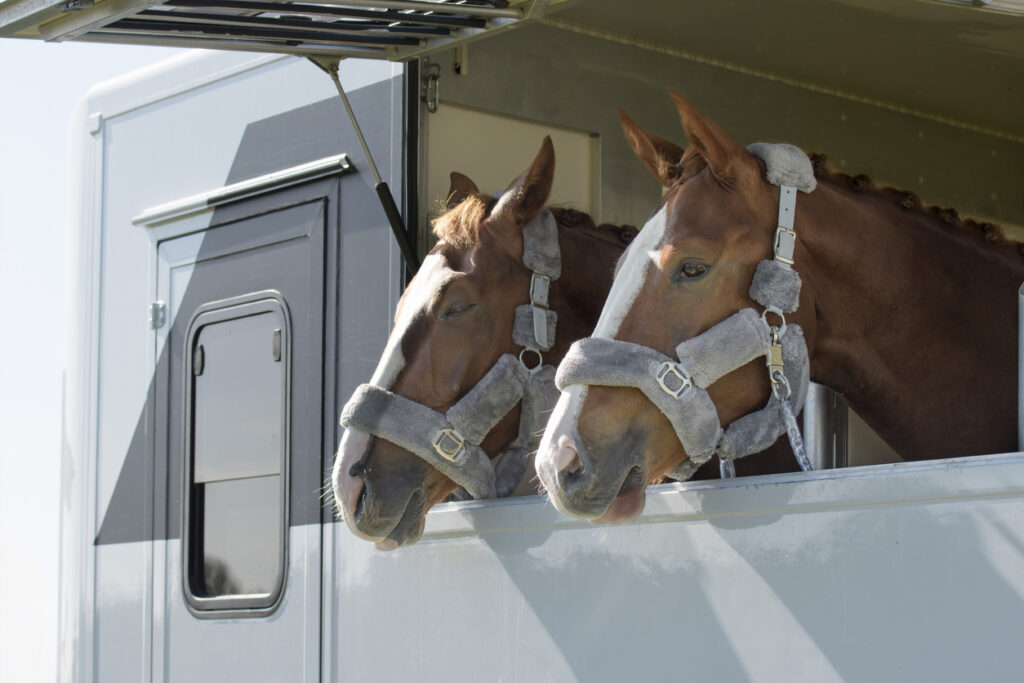
Moving horses between training yards, racecourses, studs, and veterinary facilities generates substantial transport emissions. A single horse may travel hundreds of miles monthly. With 20,000+ horses in training and racing, aggregate transport emissions are significant.
Horse transport requires specialised vehicles (horseboxes) that are larger and less fuel-efficient than standard vehicles. A horsebox carrying 3-4 horses over 100 miles consumes a substantial amount of diesel fuel. Multiply by hundreds of daily movements and the carbon cost becomes material.
Optimisation strategies include coordinating transport to reduce empty return journeys, maintaining vehicles for maximum fuel efficiency, and planning race schedules to minimise travel distances. But fundamental constraints limit improvement: horses must be transported safely in appropriate vehicles, and race schedules are determined by fixture calendars not by transport efficiency.
Electric horseboxes are being explored but face range and charging infrastructure challenges. A horsebox traveling 200 miles cannot rely on current electric vehicle range without charging stops and charging facilities at racecourses and yards are limited.
The transport emissions problem extends beyond horses. Spectators travelling to fixtures, trainers and staff commuting to yards, and officials traveling between courses all contribute to racing’s carbon footprint. Addressing transport holistically requires public transport improvements and race scheduling that consolidates fixtures geographically when possible.


