

Waste Reduction and Circular Economy: From Linear to Sustainable Resource Use
 |
|


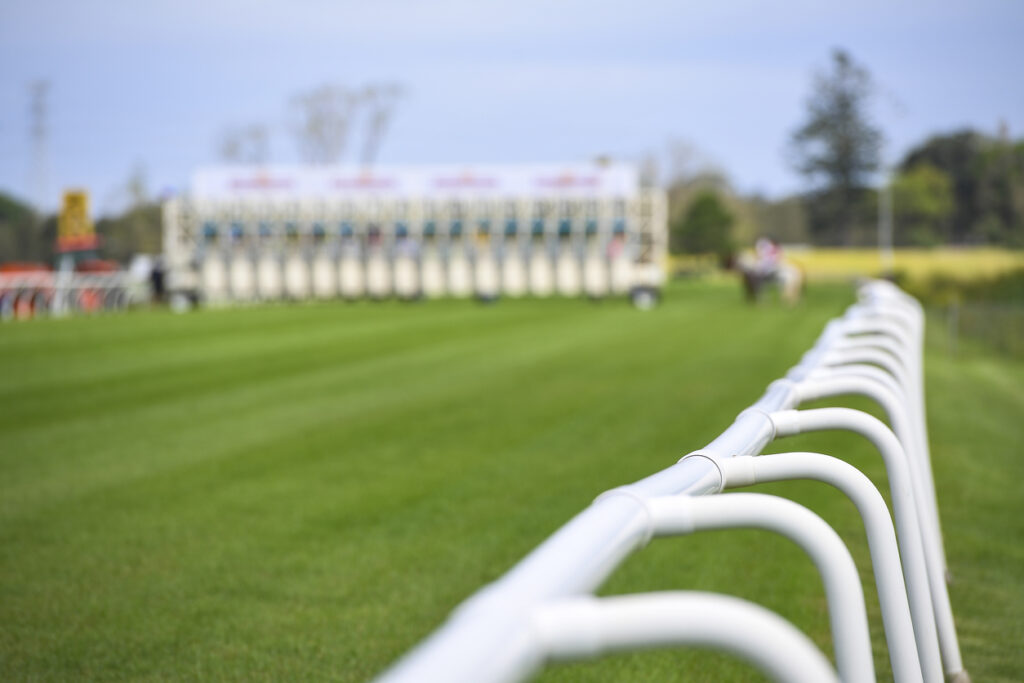
Racing generates waste from multiple sources: stable bedding, veterinary supplies, catering operations, facility maintenance, and spectator activities. Traditional linear models (use, dispose) are being replaced by circular approaches maximising reuse and recycling.
Horse manure and soiled bedding, once sent to landfill, are now composted or used as agricultural fertiliser. Some yards have commercial arrangements with local farms or garden centres purchasing composted manure. This creates revenue while diverting organic waste from landfill.
Recycling programmes at racecourses capture cardboard, glass, plastic, and metal. Some courses achieve over 50% waste diversion from landfill through systematic separation and recycling partnerships. But achieving high diversion rates requires infrastructure investment and operational discipline that smaller courses struggle to maintain.
Single-use plastic reduction in catering, replacing plastic cups, cutlery, and containers with compostable alternatives, addresses highly visible waste while responding to public environmental expectations. Some courses have eliminated single-use plastics entirely from catering operations.
The circular economy principle extends beyond waste: reusing rainwater for irrigation, repurposing construction materials during facility upgrades, and designing new infrastructure for eventual disassembly and reuse rather than demolition. These approaches are emerging but not yet standard practice across British racing.


