

Biodiversity and Land Stewardship: Racecourses as Environmental Assets
 |
|


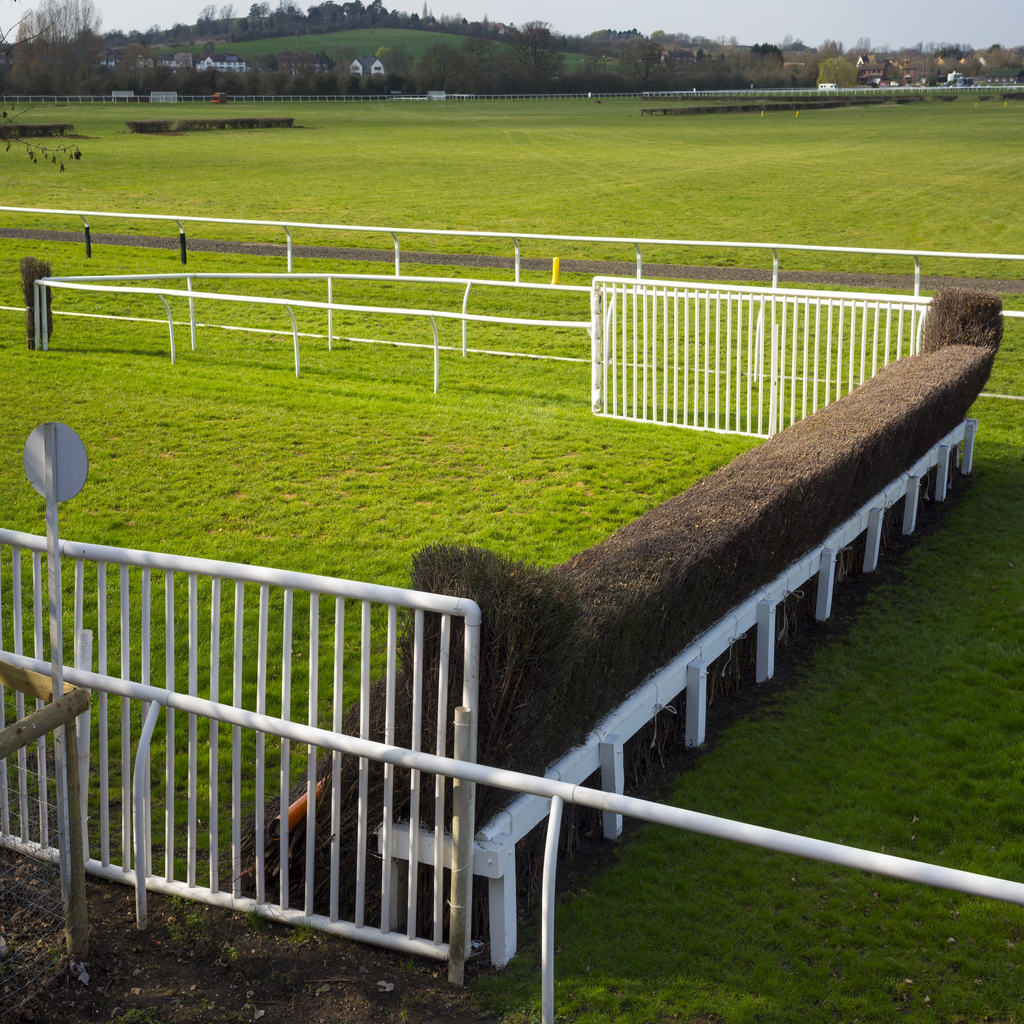
British racecourses occupy substantial land, often hundreds of acres, including training facilities, courses, and undeveloped areas. This land can support biodiversity or degrade it depending on management practices.
Leading courses have implemented biodiversity programmes: wildflower meadows in unused areas, hedgerow maintenance providing wildlife habitat, tree planting programmes, and wetland preservation. These initiatives create environmental value while enhancing course aesthetics.
Bird populations benefit from appropriate habitat management. Grassland birds use racecourse margins as feeding and nesting areas. Water features attract waterfowl. Hedgerows provide corridors connecting fragmented habitats in increasingly developed landscapes.
Pesticide reduction in turf management protects insect populations critical to ecosystem health. Integrated pest management allows beneficial insects to control pest species naturally, reducing chemical reliance while supporting biodiversity.
The challenge is balancing environmental goals with operational requirements. Racing requires large, maintained grass areas. The highest biodiversity value often comes from areas left unmaintained, incompatible with raceable turf standards. The compromise is maximising biodiversity in non-racing areas while maintaining essential racing surfaces to necessary standards.
Some courses participate in environmental certification schemes verifying sustainable land management practices. Certification provides external validation of environmental commitments while establishing benchmarks for continuous improvement.


