

Brendan Powell: Follow the Pace, Choose the Moment, The Kingwell Dissected
 |
|


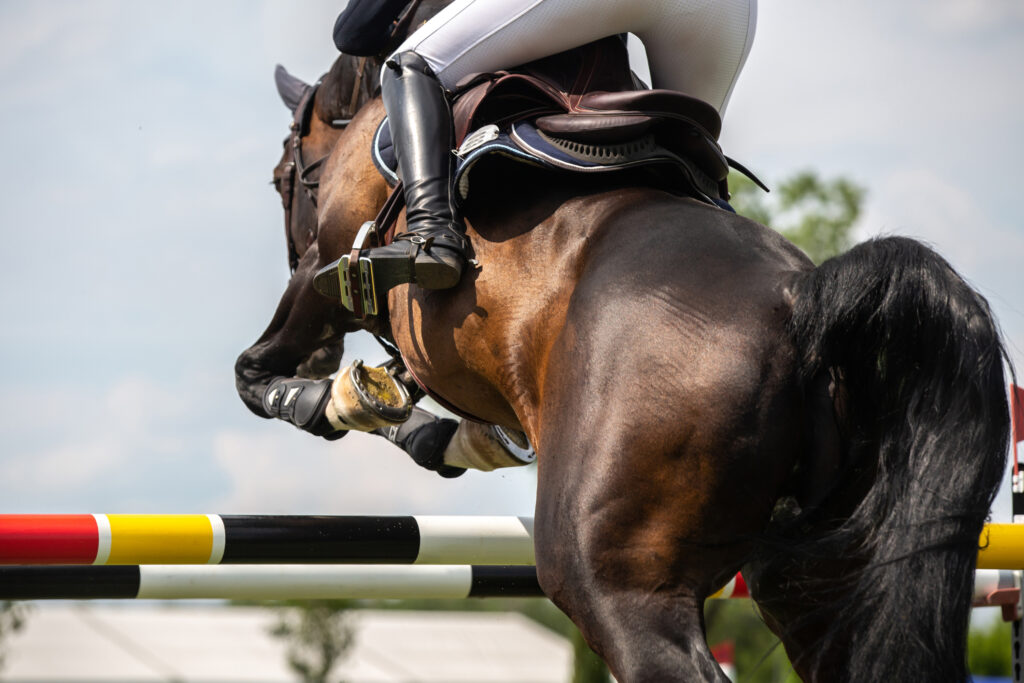
There were only four runners in the BetMGM Kingwell Hurdle at Wincanton on 14 February 2026. That small field made the tactical decisions simpler to read and made Brendan Powell’s pre-race intelligence work all the more visible. He identified his marker, tracked him, and asked one clear question when the moment arrived. Alexei answered correctly. The Champion Hurdle trip was booked.
Identifying the Marker
The key piece of intelligence Powell brought to the race was his read of Rubaud, the Paul Nicholls-trained eight-year-old ridden by Sam Twiston-Davies and sent off the 16/5 second favourite. Rubaud had three wins around Wincanton, loved the track, and was a natural front-runner. He was also, as Nicholls himself acknowledged publicly the day before, not entirely comfortable on the season’s most testing ground.
Powell’s race plan, explained openly afterwards, was direct: “I followed Sam because I knew he’d go on.” Not because Rubaud was expected to win but because following the front-runner would give Alexei a clear sight of the hurdles, a clean position relative to the rail, and the optimal route to benefit from the home straight when it opened up. Wincanton’s home straight is where the going rides better in heavy conditions; the final two hurdles are where the race is won or lost.
Tracking, Waiting, Delivering
The race unfolded with Rubaud immediately taking up his usual front-running position. Powell settled Alexei in second, tracking closely but not so close as to be crowded if Rubaud’s jumping faltered. The At The Races racecard confirmed Alexei “tracked front pair, eased into second before 2 out, pushed along and led before last, ran green and edged left run-in, kept on and asserted final 100yds.” That is a precise encapsulation of the plan executed without deviation.
The one moment of uncertainty came at the final flight. Alexei, as Powell and Joe Tizzard already knew, has a habit of “having a long look” at the last obstacle. He jumped it, but he edged left on the run-in and briefly gave Rubaud a sniff. Powell’s response was composed: he did not rush the horse into the hurdle, he let him process and cross it, then re-engaged on the flat. The final 100 yards saw Alexei extend and assert by a length and a quarter.
Powell’s summary was precise: “I wanted to put the race to bed between two out and the last. He had a bit of a look at the last, he has done that before, but he got from A to B. It gave the second horse a bit of a sniff, but I was really happy with the way he picked up again, especially in that ground.”
The Partnership That Built the Story
This was not Powell’s first time dealing with that final-flight hesitation. He was aboard Alexei for the Greatwood Hurdle at Cheltenham in November, where Tizzard noted: “Coming to the last, I did just wonder what he was going to find, but Brendan said he wanted company coming down to it because he just has a look when he gets to the last.” At Cheltenham, Alexei won by six lengths in spite of the look. At Wincanton, in heavier ground, he won by a length and a quarter. The pattern is consistent: he looks, he jumps, he picks up.
The Kingwell added another entry to the list of Champion Hurdle prep races won via the Wincanton route. Colin Tizzard, Joe’s father and former trainer, pointed out afterwards: “A whole load of Champion Hurdle winners have won this on the way, last year’s first and second [Golden Ace and Burdett Road, went on to be first and second at Cheltenham], I think there’s eight who have done it.” If March conditions cooperate, Powell and Alexei arrive at Cheltenham with form, familiarity, and a race plan already tested on the biggest stage.


