

Cheltenham Racecourse: The Natural Amphitheatre Where Champions Are Made
 |
|


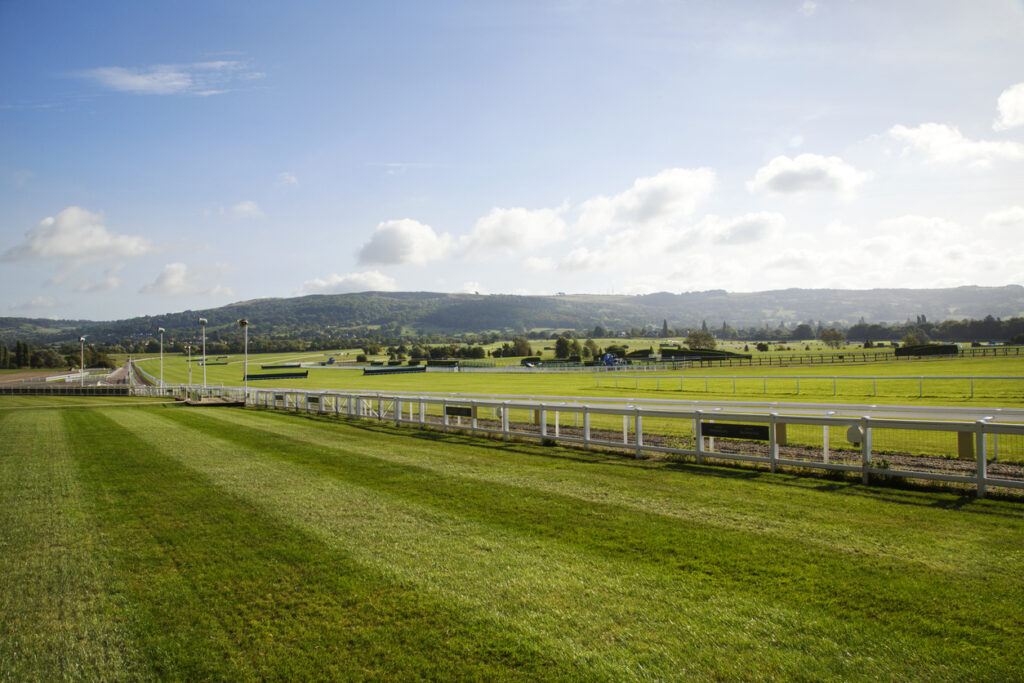
There are racecourses that host important races, and then there is Cheltenham, a venue so embedded in the identity of British and Irish jump racing that the phrase “going to Cheltenham” carries meaning far beyond geography. Situated at Prestbury Park in Gloucestershire, with Cleeve Hill rising dramatically behind the stands, Cheltenham sits in a natural bowl that creates one of the most atmospheric sporting theatres in the world.
The Location and Layout
The racecourse is positioned just below the escarpment of the Cotswold Hills, approximately two hours from London by road and one hour from both Birmingham and Bristol. The nearest station is Cheltenham Spa, with shuttle buses running during Festival periods. The 67,500-capacity venue has been hosting racing since 1902 when Prestbury Park officially became the course’s permanent home, though racing in the Cheltenham area dates back to 1815 at Nottingham Hill.
Cheltenham operates two distinct courses: the Old Course and the New Course, running alongside each other. The Old Course, used for the early autumn/winter meetings and the first two days of the Festival, is regarded as the faster track, favouring horses with natural speed and clean jumping rhythm. The New Course, deployed from December through season’s end including the final two Festival days, is the stamina test. It features the notorious downhill fence approaching the home turn and a longer run-in for steeplechases than the Old Course provides.
Both courses share one defining characteristic: the uphill finish. The final 225 yards climb approximately 30 feet toward the stands, creating the ultimate examination of stamina and courage. Horses that have been ridden conservatively through the back section typically still have energy reserves when reaching the rise. Those pushed hard early frequently weaken before the line.
The Cross-Country Course
Introduced in 1995, Cheltenham’s Cross-Country course represents something unique in British racing, a track comprised of banks, ditches, hedges, a water jump, and timber rails that tests horses and riders in ways conventional courses cannot. The course is laid out inside the main racecourse and hosts races at three meetings during the season, culminating in the Cross-Country Chase series final at the Festival.
The Festival and the Roar
The Cheltenham Festival, four days in March featuring 28 championship races, is what defines this venue globally. The prize money totals over £4.5 million, second only to the Grand National in British jump racing. But the Festival’s importance transcends economics. It represents the annual clash between British and Irish racing excellence, with Willie Mullins (113 Festival winners) leading the all-time trainers’ list.
The “Cheltenham roar”, the enormous noise generated when the starter raises the tape for the first race of the Festival has become part of British sporting folklore. It reflects not just excitement but genuine reverence for what happens here.
The History
The first Cheltenham Gold Cup took place in 1924, won by Red Splash. The Champion Hurdle followed in 1927. These two races, along with the Queen Mother Champion Chase and Stayers’ Hurdle, form the Championship quartet that defines Festival week. The roll of honour reads like a history of jump racing: Golden Miller (five consecutive Gold Cups 1932-1936), Arkle (three Gold Cups 1964-1966), Best Mate (three consecutive 2002-2004), and Kauto Star (2007, 2009).
The National Hunt Festival originated in 1860 but moved between venues before settling permanently at Cheltenham in 1911. In 2001, the Festival was cancelled due to foot-and-mouth disease. The first cancellation since 1943-1944 during World War II.
The Infrastructure
The main grandstand was completed in 1979. In 2015, a £45 million redevelopment increased capacity and modernised facilities. The course is home to The Centaur, one of the South West’s largest auditoria, seating over 2,000 for conferences and 4,000 standing for concerts. It also houses the Steeplechasing Hall of Fame.
Cheltenham is managed by Jockey Club Racecourses, which owns and operates 15 British tracks. The venue hosts approximately 16 race days annually, including The Showcase in October, The November Meeting, December’s fixture featuring the December Gold Cup, and Trials Day in late January where the Cleeve Hurdle and Cotswold Chase provide critical Festival intelligence.
Why Champions Are Made Here
The combination of Cheltenham’s natural terrain, exacting track layout, and atmosphere creates conditions that expose weaknesses and reward genuine quality. The uphill finish does not lie. The camber through the back section rewards tactical intelligence. The fences demand respect and precision. And the 67,500 crowd on Gold Cup day creates pressure that only the truly exceptional can handle.
Desktop Orchid’s 1989 Gold Cup win in soft ground he supposedly didn’t handle remains legendary precisely because Cheltenham asked a question the grey could have refused to answer, and he didn’t refuse. That is what happens here. Champions are not crowned at Cheltenham. They are made.


