

King George VI Chase Preview Framework: Boxing Day’s Championship Showdown
 |
|


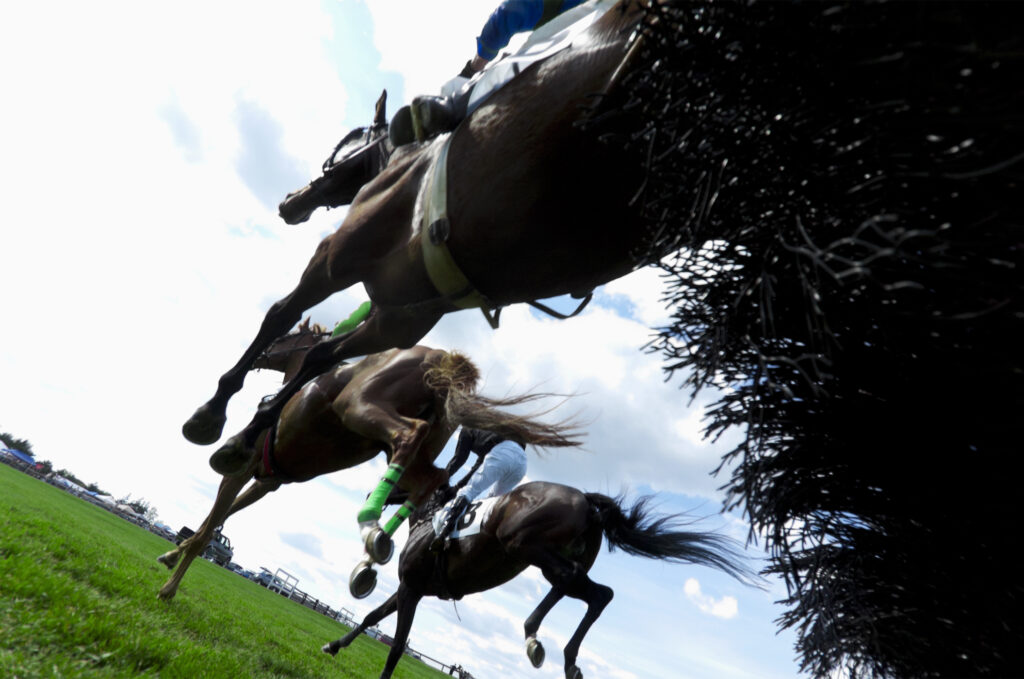
The King George VI Chase at Kempton on Boxing Day is British jump racing’s winter championship, a 3m Grade 1 chase that attracts Gold Cup contenders, emerging stars, and established champions.
The Kempton Test
Kempton is right-handed, galloping, and relatively flat, characteristics distinct from Cheltenham’s left-handed, undulating, stamina-sapping track. The King George rewards horses with sustained speed rather than pure stamina, and fluent jumping rather than scrambling recovery.
**The 3-Mile Sweet Spot**: King George distance (3m) sits between Champion Chase sprint distances (2m-2m 4f) and Gold Cup marathon (3m 2? f). Winners typically come from horses proven over 2m 4f-3m rather than pure stayers struggling at shorter or pure two-milers stretched beyond optimal.
**Track Suitability**: Right-handed galloping tracks suit different horses than left-handed, tight tracks. Check previous form at Kempton or similar tracks (Sandown, Wincanton). Cheltenham specialists don’t always translate to Kempton.
**Going Preferences**: Kempton drains well, typically providing Good to Soft going even after rain. Heavy-ground specialists often underperform; good-ground horses thrive.
Selection Criteria
**Gold Cup Credentials**: Many King George winners subsequently win Gold Cups or finish placed. The race attracts championship-class horses, requiring proven Grade 1 ability at 2m 4f+.
**Age Profile**: King George winners typically 7-10 years old and experienced enough to handle championship racing, young enough to maintain speed over 3m.
**Recent Form**: Arriving race-fit with recent runs is critical. The King George timing (late December) means horses need autumn racing to build fitness. Those returning from summer breaks struggle.
**Jumping Quality**: Kempton’s fences are standard configuration but jumped at championship speed. Fluent jumpers gain advantages; horses that jump awkwardly or lose momentum lose critical ground.
Tactical Analysis
King George typically runs at solid pace from start. Front-runners setting sustainable tempo often dominate; hold-up horses must have exceptional finishing speed to close from behind against championship-class rivals.
Assess likely pace scenario: are there multiple front-runners (suggests strong pace) or lone leader (suggests steadier tempo)? Match horse running styles to likely pace.
Value Identification
King George attracts smaller fields (8-12 runners) than Cheltenham championships, concentrating betting on fewer horses. Markets often over-bet favourites, creating value in:
– Proven championship horses returning from defeats (if defeats explainable)
– Horses suited by Kempton’s galloping track underestimated by Cheltenham-focused analysis
– Second-season chasers improving rapidly markets haven’t fully recognised
The King George favourite wins approximately 40% of time, higher than most championship races due to smaller fields but still leaving substantial percentage for value-seekers.


