

Mental Health & Staff: Stable and Stud Workers, Racing’s Forgotten Workforce and Its Mental Health Reality
 |
|


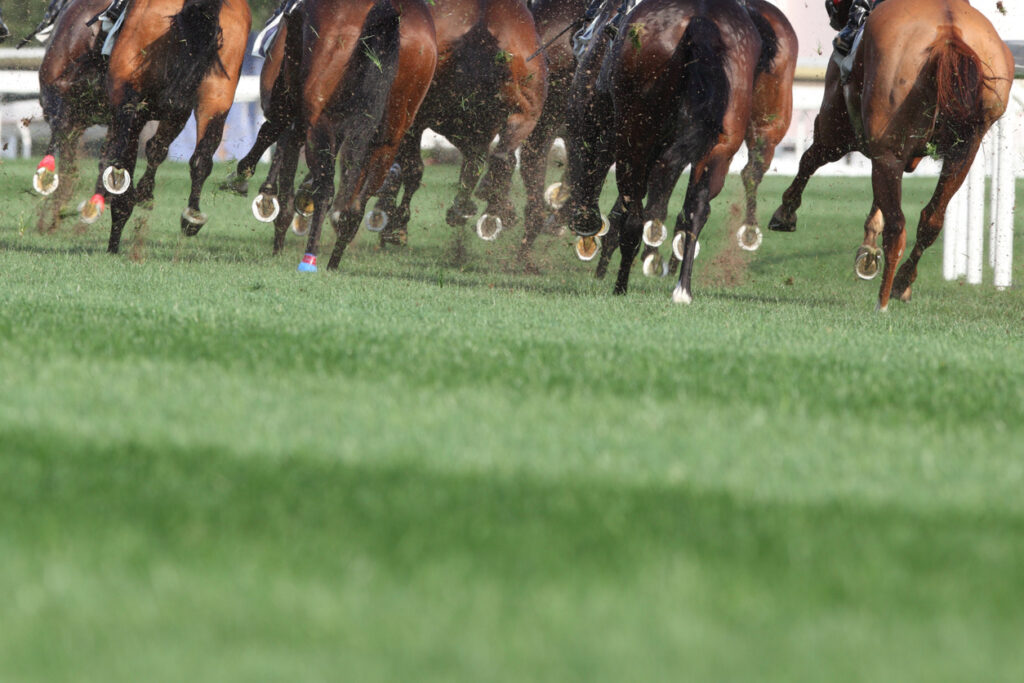
In the public narrative around horse racing, jockeys receive most of the attention when mental health is discussed. But racing’s actual workforce, the stable hands, stud grooms, exercise riders, yard managers and maintenance staff who work 365 days a year behind the scenes, numbers in the tens of thousands and faces its own distinct and well-documented mental health challenges. Research conducted in recent years has produced findings that should be uncomfortable for an industry that relies on this workforce to function.
The Research Picture
Racing Welfare’s research programme, conducted in partnership with John Moores University and funded by the Racing Foundation, has produced the most comprehensive picture available of mental health across the UK racing workforce. The headline findings were consistent and striking; over 70% of stable staff and stud workers experienced stress, anxiety or depression in the twelve months covered by the research.
A 2023 peer-reviewed study published in the journal Animals (MDPI) specifically examined anxiety and depression in British horseracing stable and stud staff following occupational injury, providing data on a workforce that faces physical hazard in its daily work, with corresponding implications for mental health when injuries occur. The study involved 175 participants and found:
– 65.14% of staff reported anxiety scores above the clinical threshold (score 8 on the Hospital Anxiety and Depression Scale)
– 59.52% reported depression scores above threshold
– Anxiety and depression scores were significantly higher for staff who viewed their employer as unhelpful (anxiety p=0.001; depression p=0.020)
– Heightened anxiety and depression were associated with increased likelihood of using pain medication (including NSAIDs) to manage symptoms and continue working
– Higher anxiety and depression scores correlated negatively with help-seeking behaviour, those in greatest distress were least likely to seek support
The Occupational Context
Stable and stud staff work in conditions that create specific mental health pressures:
Physical demands and injury risk: Working with horses is inherently dangerous. Kicks, falls, being dragged, the daily physical risk of the job accumulates over careers into a body of chronic injuries that many workers manage without full recovery time, particularly in yards where staffing levels are insufficient to allow genuine sick leave.
Hours and antisocial working patterns: Racing yards begin before dawn and may continue into evening. The horses’ needs do not accommodate the workers’ preferred rest patterns, and the industry’s 362-race-day calendar offers minimal opportunity for recovery. Racing Welfare’s research has recommended reviewing the fixture list in relation to workforce capacity as a result of these findings.
Isolation and pay: Stable staff in rural training yards may live on site in accommodation provided by their employer, creating a degree of dependence on the workplace that makes raising welfare concerns internally difficult. Pay in the lower tiers of stable employment remains modest relative to the hours worked and the physical demands involved.
Relationship with employer: The MDPI study found a stark correlation between employer helpfulness and mental health outcomes, staff who perceived their employer as unhelpful had significantly higher anxiety and depression scores. This suggests that the quality of workplace relationships and management practice is a primary driver of workforce mental health, alongside the inherent stressors of the job itself.
The horse-human welfare link: A finding with implications beyond the individual worker is the established connection between employee mental health and equine welfare. As the MDPI study noted: “Animal welfare standards have been closely linked to occupational wellbeing and mental health in farmers and animal care workers, suggesting poor employee mental health may result in suboptimal management and care of the horse.” In other words, a workforce that is struggling mentally is less able to provide the consistent, attentive care that horse welfare requires.
The Industry’s Response
Racing Welfare’s 24-hour helpline (0800 6300 443) is the primary access point for welfare support for non-jockey racing staff. It is free, confidential and accessible 24 hours a day. Support offered includes telephone counselling, online cognitive behavioural therapy, and access to in-person counselling.
The BHA signed the Mental Health Charter for Sport and Recreation (originally in partnership with PJA, Racing Welfare, the National Association of Racing Staff and the National Trainers Federation), committing to six key areas of action including promoting positive mental health environments, reducing stigma and monitoring performance.
However, the research findings suggest a gap between the infrastructure that exists and the support actually reaching the most vulnerable workers. Staff who are experiencing the highest levels of anxiety and depression are less likely to seek help, meaning that passive provision (a helpline that workers must choose to call) may not be sufficient to reach those who need it most. Racing Welfare has recommended proactive outreach and embedded welfare officers as part of addressing this gap.
The Fixture List Question
One of the most structurally significant recommendations to emerge from Racing Welfare’s research is a review of the racing fixture list in relation to workforce capacity. British racing operates on one of the most intensive schedules in world racing, approximately 1,500 fixtures per year, compared to far fewer in most comparable racing nations.
The density of the fixture list creates continuous pressure on training yards: horses must be prepared for racing at frequent intervals, reducing the recovery time available for both horses and staff. Whether the fixture list should be contracted to improve staff wellbeing, at the cost of reduced commercial racing product and prize money distribution, is a question the BHA and racing’s commercial stakeholders have not fully resolved.


