

One-Fit Padded Hurdles: The £5.5m Investment Reducing Falls by 11%
 |
|


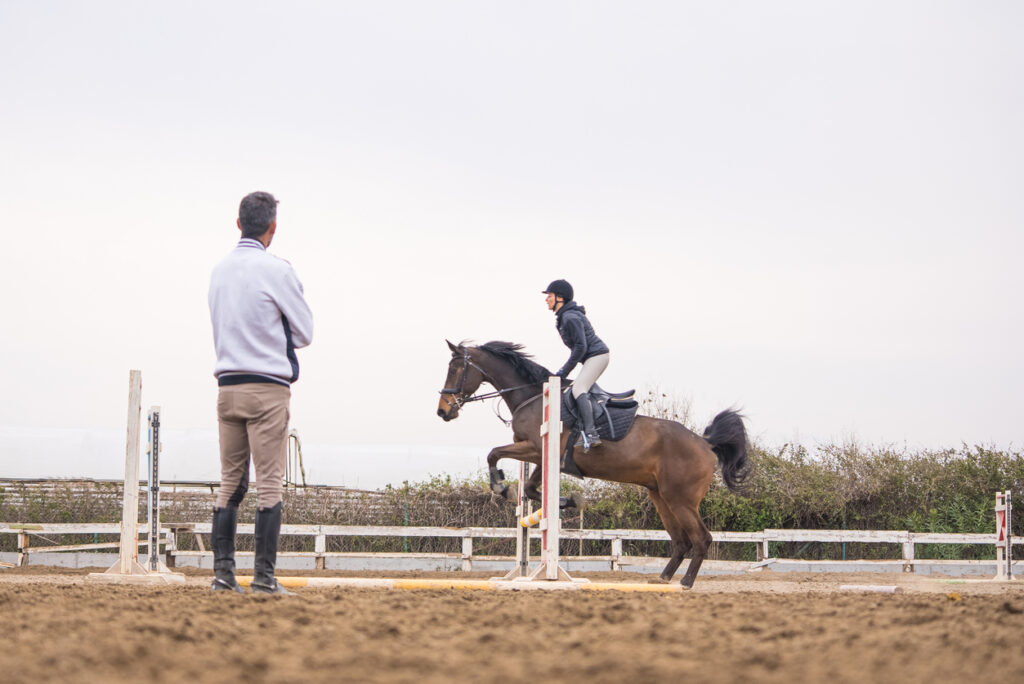
British racing’s commitment to equine safety reached a milestone in 2026 with the accelerated rollout of One-Fit Padded Hurdles across all racecourses. The new hurdles, statistically proven to reduce faller rates by 11% compared to traditional birch obstacles, represent £5.5 million in investment and demonstrate how data-driven decision-making is reshaping welfare standards.
The Evidence Base
The Racing Risk Models (RRM) project, led jointly by the British Horseracing Authority and the Royal Veterinary College, provided the scientific foundation for the padded hurdle investment. Using 14 years of race data and advanced statistical analysis, the RVC team led by Professor Kristien Verheyen identified that padded hurdles significantly reduce fall and injury rates while maintaining the integrity of the jumping test.
The 11% reduction in falls translates to approximately 50-70 fewer fallers per season across British racing, and potentially dozens of avoided injuries to both horses and jockeys. The BHA’s commitment to replacing all traditional birch hurdles with One-Fit Padded Hurdles by 1 October 2026 reflects the strength of that evidence.
The 2025-26 Rollout
The 2025 Cheltenham Festival and 2026 Grand National Festival at Aintree were run over One-Fit Padded Hurdles as part of The Jockey Club’s accelerated investment programme. These high-profile implementations served dual purposes: they demonstrated the hurdles’ effectiveness at the sport’s most prestigious events, and they normalised their appearance for millions of viewers.
Feedback from jockeys has been consistently positive. The hurdles maintain the technical challenge of traditional obstacles while providing a margin of forgiveness when horses make minor errors. Horses that might have fallen over rigid birch can recover their balance after clipping a padded hurdle.
The Broader Welfare Strategy
The padded hurdle rollout is one of 26 projects under British racing’s five-year “A Life Well Lived” welfare strategy, published by the independently-chaired Horse Welfare Board in February 2020. With £5.5 million secured from the Racing Foundation in 2022 and ongoing support from the Horserace Betting Levy Board, 21 of the 26 projects are now live.
The strategy covers the entire lifetime of horses bred for racing, from traceability and breeding practices through training, racing, and post-career welfare. The padded hurdles address the “best possible safety” pillar of the strategy, reducing reasonably avoidable injuries and fatalities through data-informed interventions.
The Cost-Benefit Analysis
£5.5 million is substantial, but the investment must be viewed against the cost of injuries: veterinary treatment, lost racing days, reduced breeding value for injured horses, and, most importantly, the welfare impact on the animals themselves. A single catastrophic injury can cost tens of thousands in treatment and rehabilitation. Preventing 50-70 falls per season generates savings that quickly justify the hurdle replacement cost.
There is also a reputational dimension. British racing operates under intense public scrutiny regarding animal welfare. Demonstrable investment in safety infrastructure based on scientific evidence strengthens the sport’s social licence to operate.
What’s Next
The RRM project continues to analyse data and identify new risk factors. Future interventions may include further fence modifications, going management protocols, pre-race veterinary screening enhancements, and jockey education programmes, all informed by the same evidence-based methodology that produced the padded hurdle recommendation.
British racing has invested over £60 million since 2000 in veterinary science, research, and education. The One-Fit Padded Hurdles represent the latest tangible outcome of that investment, proof that money spent on welfare research translates into real-world safety improvements for the horses that power the sport.


