

Pace Analysis and Race Tactics: How Early Speed Determines Final Results
 |
|


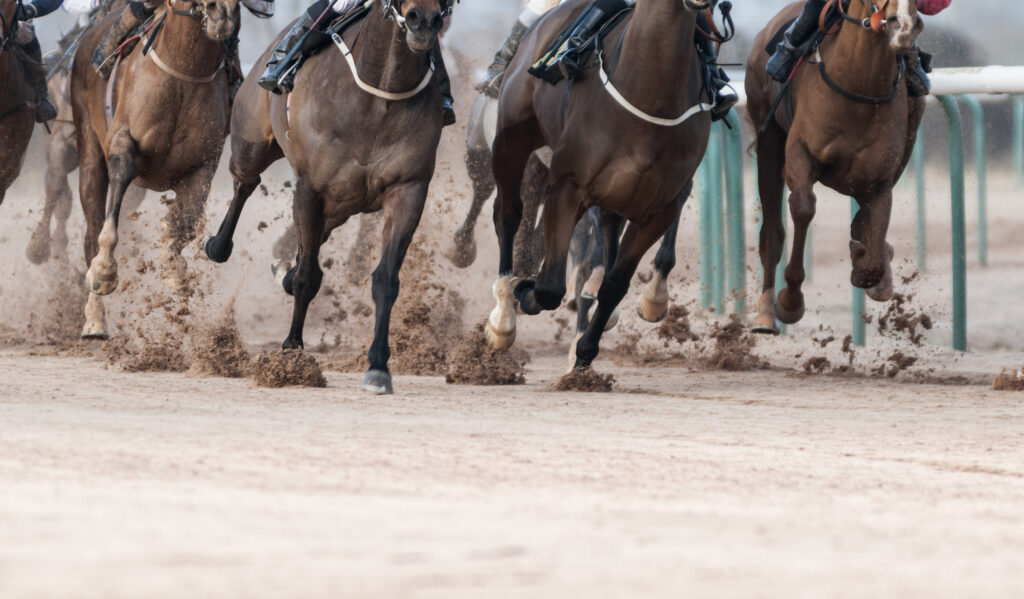
Pace, how fast horses run early in a race, determines which running styles succeed. Fast early pace favours closers who conserve energy while leaders tire. Slow early pace favours front-runners that face no pressure and can dictate terms. Understanding likely pace scenarios is critical to handicapping.
Identifying Pace Scenarios
Analyse each horse’s running style: front-runner (leads from start), presser (races near lead), mid-division (midfield), closer (comes from behind). Count how many front-runners and pressers are entered. One front-runner = likely slow pace. Three or more front-runners = likely contested pace.
Contested pace benefits closers and mid-division horses. Slow pace benefits front-runners and pressers. The ideal bet is a closer in a race with multiple speed horses ensuring strong pace, or a front-runner in a race with no other speed horses allowing uncontested lead.
Sectional Times
GPS tracking and sectional timing data reveal how races developed. A race with fast early sectionals and slow late sectionals was strongly run, benefiting horses that came from behind. A race with slow early and fast late was weakly run, benefiting horses that raced close to the pace.
Horses that ran well in paces similar to today’s likely pace repeat those performances. Horses that struggled in opposite pace scenarios may reverse form if today’s pace suits them better.
Trip Notes and Positional Changes
Some horses improve dramatically when racing tactics change. A closer that’s been held up may improve when ridden more aggressively. A front-runner that’s been pressured may improve when allowed uncontested lead.
Watch for trainer/jockey comments about tactics. “Will be ridden more prominently” or “Will sit closer to the pace” signal tactical changes that could transform performance if pace scenario accommodates.
Draw and Pace Interaction
At tracks with significant rail bias, pace and draw interact. Inside draws allow front-runners to secure the rail easily. Outside draws force horses wide, especially if trying to lead. In contested-pace scenarios, outside-drawn front-runners face lose-lose: race wide for lead or surrender position.
Conversely, closers benefit from wide draws in contested-pace races, they avoid the scrimmaging early while leaders fight for position, then have clear running late.
Pace Handicapping Process
1. Identify each horse’s preferred running style
2. Predict likely pace (contested/moderate/slow)
3. Identify horses whose style suits predicted pace
4. Assess whether current odds reflect pace advantage
5. Bet horses offering value given pace scenario
The edge comes from markets underestimating pace impact. A closer at 8/1 in a race with four front-runners offers value if the market prices it as 10/1 shot ignoring pace advantage.


