

Racecourse Drainage Engineering: The Hidden Science That Keeps Racing Running
 |
|


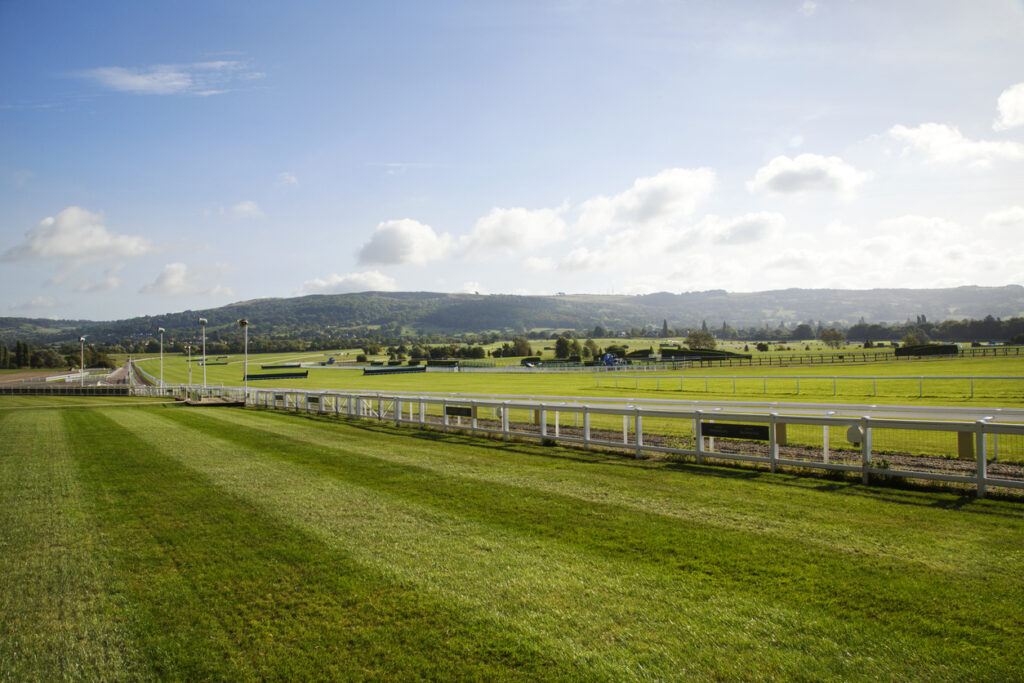
Beneath every British racecourse lies an invisible infrastructure of pipes, channels, and engineered soil layers designed to manage water. Modern drainage systems are what allow racing to continue through British winters when rainfall would otherwise render courses unusable. The engineering involved is sophisticated, expensive, and absolutely essential to the sport’s viability.
The Problem Racing Solves
British jump racing operates from October through April, precisely the period when rainfall is highest and evaporation lowest. Without drainage, racecourses would be waterlogged for weeks at a time. Even with drainage, courses like Fairyhouse were forced to abandon fixtures in February 2026 when 41mm of rain fell in 24 hours and overwhelmed the ground’s capacity to shed water.
The drainage challenge is not simply moving surface water off the track. It is managing subsurface moisture that accumulates over weeks, preventing compaction that destroys turf quality, and maintaining a riding surface that is safe for horses while not so firm that it causes injury.
How Modern Drainage Works
Contemporary racecourse drainage employs multiple systems working together:
**Primary Drainage**: Deep perforated pipes installed 600-900mm below the surface at 5-10 metre intervals across the track. These pipes collect subsurface water and channel it to collection points at the track perimeter.
**Secondary Drainage**: Sand slits or gravel channels installed at closer spacing (2-5 metres) and shallower depth (300-450mm). These intercept water before it reaches the deep drains, speeding surface drainage.
**Amelioration**: The top 150-200mm of the track is engineered soil, typically a sand-soil-organic mix designed to drain freely while retaining enough moisture to support turf growth. Pure clay would hold water and ride heavy; pure sand would drain too fast and create a hard, shallow surface.
**Surface Management**: Spiking, verti-draining, and aeration maintain the porosity of the top layer by preventing compaction. Racecourses spike their tracks multiple times per season, creating channels that allow air and water to penetrate.
The Cost
Cheltenham’s £45 million redevelopment in 2015 included comprehensive drainage upgrades. Ascot’s post-2006 drainage can handle significantly more rainfall than the pre-redevelopment system. These are multi-million-pound investments that reflect drainage’s critical importance.
Smaller courses cannot afford such comprehensive systems and rely on older pipe networks supplemented by strategic spiking and slitting. The result is a drainage quality hierarchy across British racing: elite courses can handle extreme weather; regional courses struggle in sustained wet periods.
The Limits
Even the best drainage cannot handle extreme rainfall rates. When Fairyhouse received 41mm in 24 hours in February 2026, the drainage system was overwhelmed before the subsurface pipes could channel the water away. Standing water developed, creating dangerous footing.
Drainage also cannot address subsoil saturation. If the ground below the track is saturated from weeks of rainfall, the drainage system has nowhere to send water. This creates the seasonal pattern familiar to British racing: courses deteriorate progressively through winter as saturation builds, then recover quickly in spring when evaporation exceeds rainfall and the subsoil dries.
The Future
Next-generation racecourse drainage may employ real-time moisture sensors that provide course managers with subsurface moisture maps. This would allow targeted aeration and allow irrigation in dry periods to maintain optimal moisture levels.
Some courses are experimenting with hybrid turf systems, natural grass reinforced with synthetic fibres that maintain structure even in very wet conditions. These systems show promise for high-traffic areas like run-outs and landing sides of fences.
But the fundamental challenge remains unchanged: British racing operates in a climate where rainfall exceeds evaporation for six months of the year. Drainage engineering is what makes racing possible during that period. Without it, the sport would be confined to summer.


