

The Legendary Frankel Continues to be Racing’s Greatest Icon
 |
|


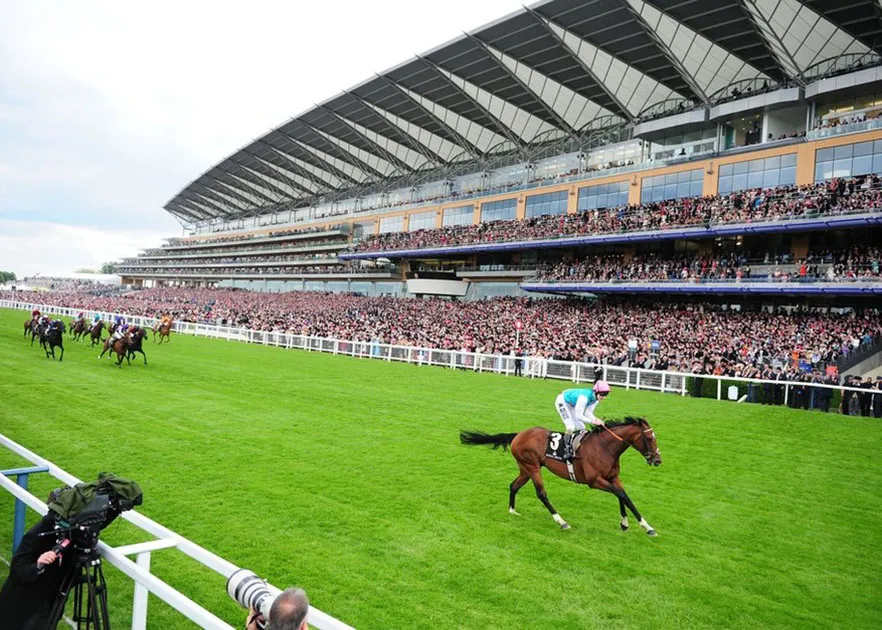
The undefeated champion Frankel remains the most celebrated thoroughbred in modern racing history, with his legacy continuing to influence the sport years after his retirement. The bay colt’s perfect 14-race career has established him as the benchmark against which all future champions are measured, particularly when analysing live horse racing results UK competitions.
Frankel’s dominance on British racecourses was unprecedented, with his performances setting new standards for excellence in flat racing. His ability to win at distances ranging from seven furlongs to a mile and a quarter demonstrated remarkable versatility, whilst his devastating turn of foot in the closing stages became his trademark finishing style.
The Sir Henry Cecil-trained superstar captured the imagination of racing fans worldwide, with his races regularly drawing capacity crowds eager to witness greatness in action. His victories in prestigious Group 1 contests, including multiple wins at Royal Ascot, showcased the highest level of competitive racing that continues to inspire today’s live horse racing results UK coverage.
Racing enthusiasts still reference Frankel’s performances when evaluating contemporary horses, with his Timeform rating of 147 standing as the highest ever recorded for a flat racehorse. This exceptional rating reflects not just his unbeaten record but the manner in which he achieved his victories, often winning by commanding margins against elite-level opposition.
Technical Analysis and Racing Form
Frankel’s racing style demonstrated perfect tactical awareness combined with explosive acceleration. His jockey, Tom Queally, developed an understanding with the horse that allowed them to position strategically before unleashing devastating finishing bursts. This partnership became a masterclass in race-riding technique that a modern jockey studies extensively.
The champion’s physical attributes contributed significantly to his success, with his powerful hindquarters providing the propulsion for his famous finishing kicks. His stride pattern and breathing efficiency were analysed extensively by racing experts, providing insights that continue to influence training methodologies across British racing establishments.
Modern trainers frequently reference Frankel’s preparation methods when developing their champions, particularly his careful campaign planning and strategic race selection. His career progression from juvenile promise to mature champion provides a blueprint for managing talented horses through their developmental phases.
Contemporary Racing Impact and Legacy
Today’s live horse racing results UK coverage often includes comparisons to Frankel’s achievements, particularly when exceptional performances emerge from promising young horses. His influence extends beyond individual comparisons to broader discussions about training techniques, breeding programmes, and race planning strategies.
The economic impact of Frankel’s career transformed expectations for elite racehorses, with his stud value and commercial appeal setting new benchmarks for the industry. His retirement to Banstead Manor Stud has generated significant interest in his offspring, with racing fans eagerly following the progress of his progeny through current racing seasons.
Racing media continues to celebrate Frankel’s achievements through retrospective features and anniversary coverage, ensuring new generations of racing enthusiasts understand his historical significance. His story represents the pinnacle of what can be achieved in thoroughbred racing, combining natural talent with expert training and sympathetic handling.
The champion’s influence on live horse racing results UK extends to betting markets, where punters often seek horses with similar characteristics or breeding connections. His legacy serves as a reminder of racing’s capacity to produce genuine superstars who transcend the sport itself.


