

Weather & Going Watch: Cheltenham’s Wet Winter, the Dry Spell, and Why the Ground Was Better Than Expected
 |
|


The Winter That Wasn’t Supposed to End
By February 2026, Cheltenham Racecourse had received 223mm of rainfall since the start of the year, a total that, in the context of the course’s typical March rainfall of 50 – 60mm, suggested the Festival would be run on soft or heavy ground. Trainers with horses that preferred a quicker surface were making contingency plans, and the market for most championship races reflected a degree of uncertainty about how conditions would play out.
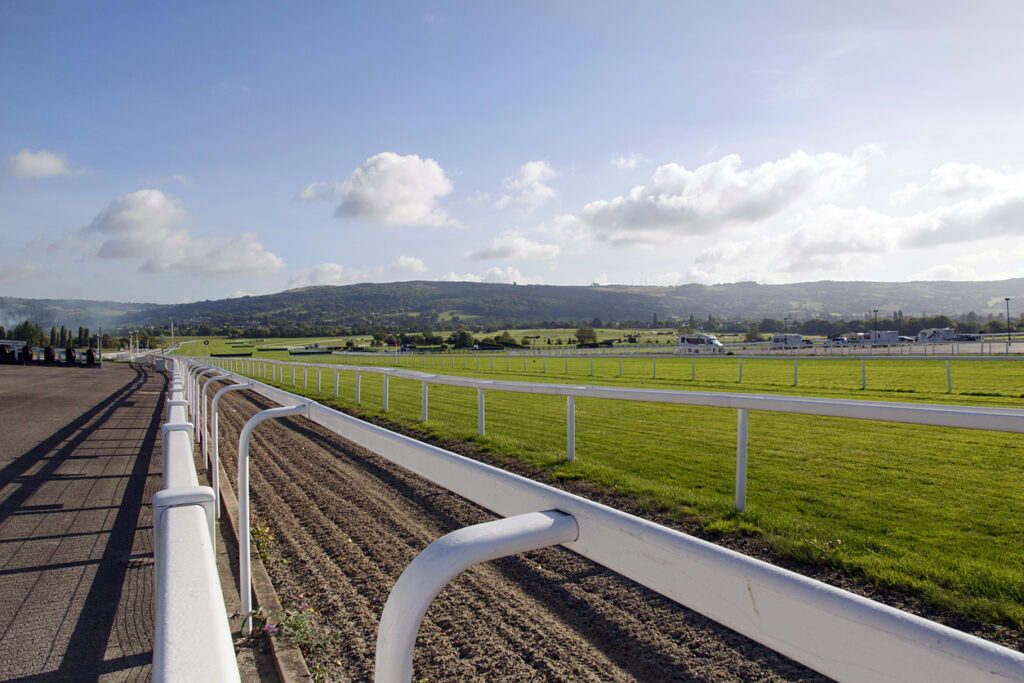
Then the weather changed. The beginning of March brought dry spells and sunshine, and Cheltenham’s well-engineered drainage, known among clerks of the course as among the most efficient in British jump racing, began to work its effect. Clerk of the Course Jon Pullin, speaking on Sky Sports Racing in the week before the Festival, confirmed what many had suspected: “We always aim to start the Festival with good to soft as the lead description and, with the weather we’ve got, it looks like we will be somewhere around that.”
The Moisture Paradox
The irony of Cheltenham’s drainage quality is that it creates an unusual drying dynamic. The surface dries more quickly than most racecourses, but the moisture trapped underneath does not evacuate at the same rate. This creates what Pullin described as “a lot of moisture underneath” even as “the top has begun to dry now on the courses.” In practical terms, this means the going description understates the firmness of the racing surface relative to what a horse actually feels underfoot. A factor that contributes to the faster-than-expected times regularly recorded at Cheltenham.
The New Course, used for Thursday and Friday of the Festival, has historically carried slightly better ground than the Old Course, which led Pullin to consider watering the New Course in the days before racing to ensure consistency. The Old Course received targeted irrigation on Monday before Champion Day after the turf “tightened up a little bit more than we anticipated”, a rare case of the course being watered before a Festival at which the going is better than expected.
The Hurdle Relocation
One of the more unusual pre-Festival decisions in 2026 was the repositioning of the final hurdles on both the Old and New Courses. Pullin explained that in normal years, hurdles are positioned beyond their standard-season location at the Festival, further back from the winning post, extending the run-in. In 2026, a wet area of ground near the traditional Festival hurdle position on both courses made that siting unwise. The hurdles were instead placed in their standard-season position, which extended the run-in less than usual.
This change had tangible implications for race tactics. A shorter run-in from the final obstacle means a horse must be travelling well into the home straight to hold rivals, the extended run-in that normally characterises Festival racing, which can allow hold-up horses to make up ground on tiring leaders, was reduced. Several analysts noted this as a possible additional factor in the front-running bias observed across the week.
Final Pre-Festival Assessments
Going into Champion Day on Tuesday 10 March, the going on the Old Course was described as Good to Soft, with the New Course carrying Good to Soft with some Good in places. Both descriptions were consistent with what Pullin had targeted. Raceday conditions on Tuesday were mainly dry, with temperatures around 11C, suitable for racing and for the progressive drying of the surface that continued through the week.
The Met Office forecast for the Festival week had indicated a dry spell across the south of England, with Thursday seeing potential showers of limited significance. That proved accurate: 5 – 10mm fell on Thursday evening into Friday morning, softening the Gold Cup Day surface marginally without returning it to the heavier conditions of earlier in the season.
What It Meant for Runners
For trainers with horses preferring good or good to soft ground, the pre-Festival weather story was positive news delivered later than ideal. Horses with soft ground preferences, or horses whose connections had been nervous about the ground running too fast, faced conditions that, as the week progressed, became increasingly firm within the Good to Soft classification. The Gold Cup’s 6m 39.02s winning time (10.98s faster than expected) confirmed that by Friday, the racing surface was substantially quicker than the official going description implied.
The practical lesson for following Cheltenham ground stories in future is that the course’s exceptional drainage means its Good to Soft is frequently equivalent to Good at most other venues, and that a dry spell of even a few days before the Festival can transform expected conditions dramatically.


