

Weather & Going Watch: How the Ground Played on Cheltenham’s Opening Two Days
 |
|


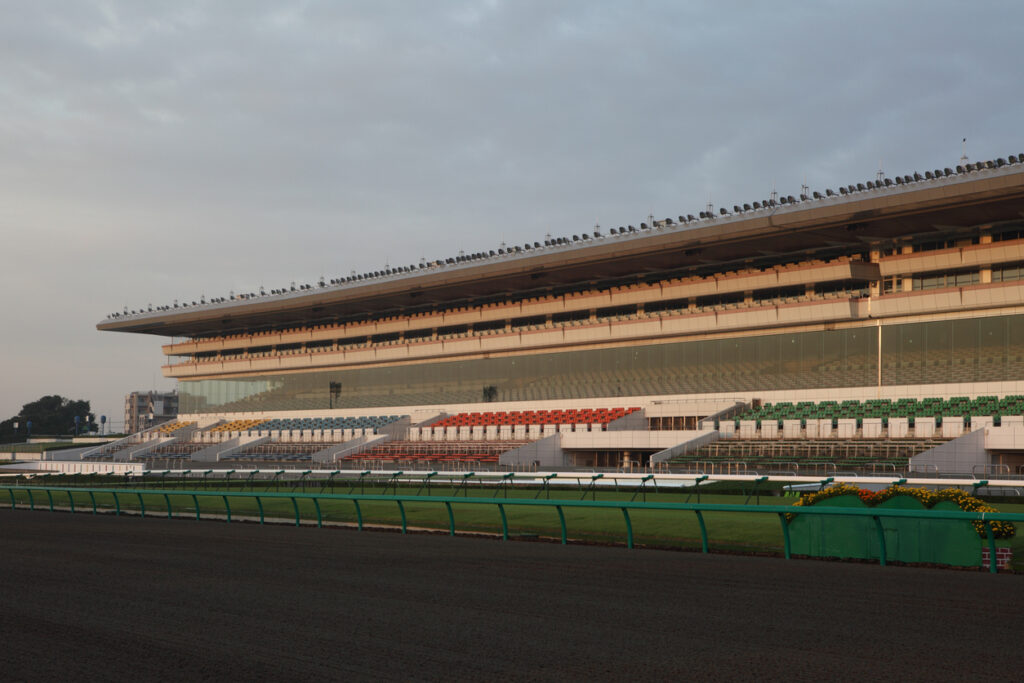
Champion Day: Drying and Fast
Tuesday’s conditions were characterised by predominantly dry weather and mild temperatures, around 11C, with only a brief possibility of a shower in the early afternoon that did not materialise significantly. The going on the Old Course was Good to Soft as declared, but the progressive drying of the surface across the preceding week meant the actual pace of the ground was faster than that description conventionally implies.
The evidence from the day’s timing data was clear. Lossiemouth’s winning time in the Champion Hurdle (3m 54.24s) was over seven seconds faster than Total Performance Data’s expected time for the race in Good to Soft conditions. The Arkle’s winning time (3m 52.35s) was the second fastest of the past decade, and Old Park Star’s Supreme Novices’ Hurdle produced a timefigure of 155, described as “one of the better ones” by Timeform’s Graeme North.
The consistent picture from the day’s timing data was of a surface riding faster than the official going. This had practical implications for runners: horses who need ground that sits up and provides energy-absorbing cushion, typically soft ground preferences, were likely racing on conditions that tested their stamina less forgivingly than they were expecting. Conversely, horses with a preference for genuinely quick ground were better served than the going description might have led connections to anticipate.
Clerk of the Course Jon Pullin had decided on watering selectively in the preceding days to maintain Good to Soft conditions, noting that without irrigation, the ground was firming toward Good in places. The surface on Champion Day was the product of deliberate management, targeted watering having arrested a rapid drying process, rather than natural moisture from recent rainfall.
The Ground and the Supreme’s British Dominance
The British 1-2-3 in the Supreme Novices’ Hurdle, Old Park Star, Sober Glory, Mydaddypaddy, was notable in a race where Irish-trained runners have dominated for several years. Whether the drying ground, which appeared more quickly than expected, played any role in the result is a question worth considering. Some of the higher-profile Irish runners in the Supreme had been trained on softer ground and had benefited from softer conditions in trials, while Old Park Star had been specifically flagged by Timeform as a candidate for Good to Soft after his win at Cheltenham’s January meeting.
The connection between ground conditions and the surprise British dominance of the opening race of the week is not clear-cut, but the pattern was noted by several analysts reviewing Champion Day.
Overnight Rain: Tuesday into Wednesday
ESPN’s Champion Day preview noted that “there is due to be some rain overnight into Wednesday which could soften up the ground for Ladies’ Day.” This proved accurate. Some rain fell overnight, maintaining the Good to Soft description into Wednesday’s card without producing a marked softening that would have changed the racing pattern significantly.
Ladies’ Day: Consistent Conditions
Wednesday’s conditions on the Old Course were similar to Tuesday’s, Good to Soft, with the drying progression that had characterised the week’s pattern continuing. The Champion Chase’s fast-start analysis (first four furlongs in 54.71s, nearly two seconds faster than the corresponding period in the previous year’s race) reflected both the pace set by Quilixios and Majborough and the facilitating effect of the ground. The surface was fast enough to expose jumping frailties, as it did emphatically with Majborough, and to reward the sustained jumping accuracy that Il Etait Temps demonstrated.
The Grand Annual, run over the same Old Course, produced a 66/1 winner in Martator, but the race’s result was primarily a product of Venetia Williams’ tactical preparation with first-time blinkers rather than any ground-related factor.
By the close of Ladies’ Day, two days of consistent Good to Soft ground on the Old Course had produced races that ran faster than expected, front-runners that were difficult to peg back, and conditions under which the Timeform rating for the Champion Hurdle (Lossiemouth) confirmed an elite performance. The ground was behaving, in short, as a well-managed Cheltenham Festival surface should.


