

Weather & Going Watch: The January Freeze, Blank Days and Frost Logic in British Jump Racing
 |
|


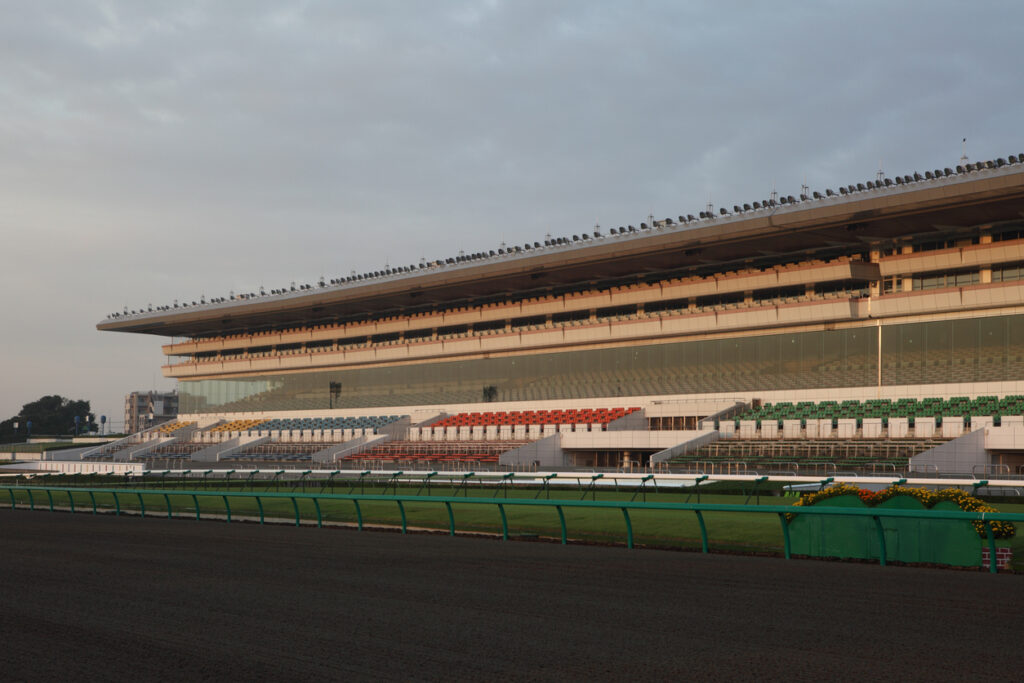
The February wet spell that soaked Wincanton, Haydock, and Fairyhouse was preceded, in early January 2026, by a sharp freeze that introduced a very different weather problem: not too much water, but too much cold. At least four British venues, Wolverhampton, Lingfield, Ludlow, and Musselburgh, lost fixtures to frozen ground in a period that briefly left British jump racing without any raceable cards. Understanding what happens to a racing surface in frost is essential context for understanding what the subsequent wet spell did to those same tracks.
How Frost Destroys a Racing Surface
When air temperatures drop below approximately -1C and remain there overnight, the water in the top layer of racing ground, typically the top 50 – 80mm of the turf profile, begins to freeze. The surface becomes hard and brittle. Horses landing over fences or hurdles at racing speed drive their weight through a frozen surface with no give, creating the kind of concussive loading that causes injury rather than performance.
Course clerks managing frost do not simply wait for the thermometer to rise above zero. A track that has been at -8C overnight, as Wolverhampton reportedly experienced in early January 2026, requires warmth to penetrate several centimetres of frozen ground, which may take 12 – 24 hours even after air temperatures recover. Protective sheets reduce frost penetration but cannot eliminate it in sustained cold.
Clerk of the Course Jimmy Stevenson at Wolverhampton explained the decision to abandon directly: “We have abandoned, we got down to -8C which would certainly be our coldest night of this winter so far. We’re forecast the same again for tomorrow and then slightly better for Wednesday but it won’t come in time for us as the frost is really in the ground now.”
The Blank-Day Cascade
The Wolverhampton abandonment came after Lingfield and Ludlow had already been frozen off, and Musselburgh on Tuesday was cancelled simultaneously. Wednesday produced another blank day for British jumps when Leicester was called off. Saturday at Sandown was recorded as the last National Hunt fixture to go ahead before the blank period, with the next realistic cards not scheduled until Thursday.
At Musselburgh, a course on the Firth of Forth that is susceptible to east-coast cold snaps, the freeze was described as the track being “completely frozen” after consecutive nights of severe frost. Musselburgh’s coastal position and relatively exposed location make it one of the UK’s more frost-vulnerable tracks in December and January, and the 2025-26 winter tested it accordingly.
The Swing to Wet: Two Sides of the British Winter
The January freeze and the February deluge represent the two extremes of British jump racing’s weather challenge. Frost closes tracks by making ground dangerously hard. Waterlogging closes tracks by making ground dangerously soft. In both cases, the underlying problem is the same: ground that cannot safely absorb the concussive load of National Hunt racing.
The swing from freeze to flood across a single winter is not unusual in Atlantic-influenced British climates, but the 2025-26 iteration was pronounced. The same ground at Fairyhouse that was being carefully managed for moisture levels in late January was declared waterlogged under 41mm of rain just three weeks later. For trainers managing Festival preparations, these two weather phases create the worst possible scheduling uncertainty: a freeze delays or cancels prep runs, and then a wet spell arriving on heavy ground makes each subsequent fixture a going-management problem.
The cumulative effect, several weeks of disrupted preparation running into persistent rainfall, makes the February ground conditions at Cheltenham the most relevant going signal available for the Festival. The subsoil at Prestbury Park is carrying the accumulated moisture of a full British winter.


