

Weather & Going Watch: What the 2026 Cheltenham Festival Ground Conditions Told Us About the Races
 |
|


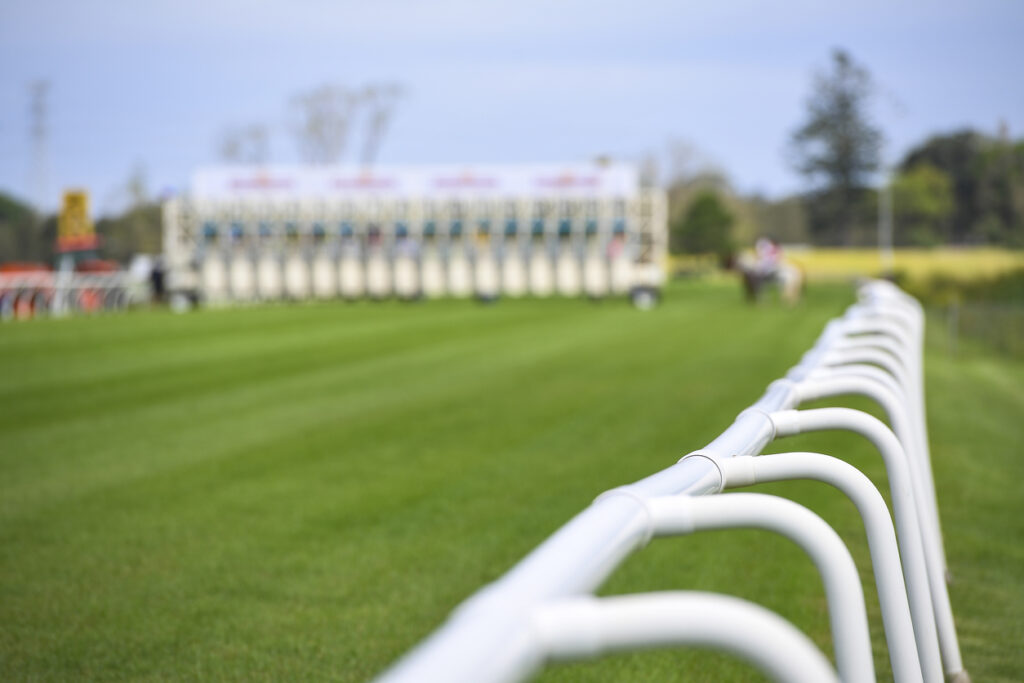
Declared going at the Cheltenham Festival is the starting point for understanding race conditions but it is rarely the whole story. The 2026 Festival illustrated this with particular clarity. Official going of Good to Soft across all four days concealed a pattern of progressive drying and a surface consistently faster than that description implies, producing a week of racing where timing data diverged significantly from expected benchmarks and where form students relying only on the going description would have been working with an incomplete picture.
The Consistency of Good to Soft
Officially, all four days of the 2026 Festival were run on Good to Soft ground. This consistency was the product of deliberate management by Clerk of the Course Jon Pullin’s team. Selective irrigation before Tuesday’s opening day arrested a faster drying process, and overnight rain between Thursday and Friday prevented the New Course from tipping firmly into Good. The surface remained within the Good to Soft classification throughout.
However, as three separate independent timing analyses confirmed, the feel of the ground and its effect on race times varied measurably across the week:
– Tuesday and Wednesday (Old Course): Timefigures consistently faster than expected. Lossiemouth’s Champion Hurdle was 7+ seconds quicker than TPD’s expected time for Good to Soft conditions. The Arkle produced the second-fastest winning time in the race over the past decade.
– Thursday (New Course, first use): Further drying within the Good to Soft range. The Stayers’ Hurdle and Ryanair Chase produced results where the pace demanded over the New Course was sufficient to expose marginal stamina concerns (Kabral Du Mathan, Jonbon’s late jumping deterioration).
– Friday (New Course, post-rain): Overnight rain refreshed the surface. Gold Cup winning time was 10.98 seconds faster than Timeform’s expected time, the largest margin of the week, suggesting the surface was, paradoxically, at its fastest on the day following rainfall. The rain had provided a small amount of fresh give in the top layer without returning substantive moisture to the dried-out subsurface.
Why Cheltenham’s Good to Soft Runs Fast
Three structural features of Cheltenham’s going management explain why its Good to Soft consistently produces faster-than-expected times:
1. Drainage infrastructure: Cheltenham has invested significantly in drainage systems that remove surface water more rapidly than most turf courses. This means the declared going lags slightly behind the actual pace of the surface. What is officially Good to Soft may feel closer to Good at many other venues.
2. Subsurface moisture retention: The flip-side of efficient drainage is that moisture retained deep in the profile does not fully return to the surface under drying conditions. Horses racing on a “dry crust” with moisture underneath experience a firmer-feeling surface than the GoingStick reading alone captures.
3. Festival-week irrigation management: Cheltenham’s team deliberately irrigates in the days before the Festival to maintain consistency. This irrigation often holds the declared going at Good to Soft even as natural conditions would have dried it further. Once racing begins and the irrigation effect dissipates, the surface begins drying again, which is why Thursday and Friday consistently run faster than Tuesday and Wednesday at the same Festival.
Ground Preferences: Which Horses Were Helped or Hindered
Looking across the week’s results with the ground context in mind:
Helped by the conditions:
– Lossiemouth (Champion Hurdle): Her finishing speed benefited from faster ground. Paul Townend had noted the mare was wearing cheekpieces for the first time partly because of the open nature of the race, the faster conditions likely suited her pace-dependent style.
– Gaelic Warrior (Gold Cup): His Timeform rating of 174 was achieved on fast-within-Good-to-Soft ground. The pace he maintained in the Gold Cup’s closing stages is consistent with a horse comfortable on good-to-fast ground.
– Heart Wood (Ryanair Chase): His front-running style benefited from conditions that allowed him to dictate the pace without the energy cost that deep going imposes on leaders.
Potentially hindered by the conditions:
– Kabral Du Mathan (Stayers’ Hurdle): He led over the last flight but faded on the run-in. Timeform’s analysis implied the well-run three miles on a quicker surface than expected had “drained” his stamina. On softer ground, the race might have played out differently.
– Brighterdaysahead (Champion Hurdle): Her preference for a stronger gallop (she beat Lossiemouth at the Dublin Racing Festival in a genuinely quickly-run race) may have been slightly frustrated by the sedate early pace, though TPD concluded the conditions did not fundamentally alter the result.
Lessons for Future Form Study
The practical lesson from the 2026 Festival’s ground story is straightforward: when following Cheltenham, treat the official Going to Soft as a floor rather than a ceiling. In most Festival years, the actual pace of the racing surface at Cheltenham is Good to Soft at its most testing and is frequently equivalent to Good. Horses that travel and jump well on quick ground have a structural advantage, all other things being equal, in most Festival conditions.
The progressive drying through the week – always faster on Friday than Tuesday – is a consistent pattern to monitor when considering ante-post selections for horses whose going preference matters.


